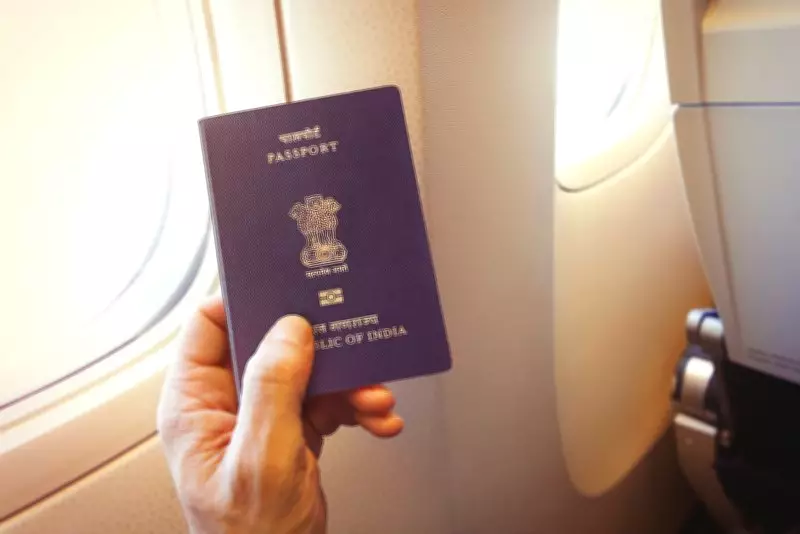
His suitcase is packed. The family is joining the endless caravan of Punjabis leaving for foreign shores. And somewhere between excitement and dread, a 15-year-old sits with a phone full of goodbye messages, wondering what exactly is being left behind — forever.
Migration as a Double-Edged Sword
Migration is often narrated as a story of opportunity. New horizons, brighter futures, open doors. But for teenagers who had little or no say in the decision, the story is far more complicated. They are old enough to understand what they are losing, yet too young to have any control over it. That combination is quietly heartbreaking. These thoughts crossed my mind as I watched him. We had gone to their house to bid them farewell. The family had everything here — land, a government job, even a dream farmhouse — yet they decided to abandon it all for the sake of a “better future for the children.”
Emotional Burden of Young Migrants
The emotional burden borne by migrating youngsters can be profoundly isolating. A part of them is genuinely excited — a new country, new possibilities, the quiet romance of reinvention. But excitement feels like a betrayal of the friends left behind. And grief reeks of ingratitude towards parents who sacrificed enormously for this opportunity. So, teenagers end up showing happiness they do not fully feel, swallowing their confusion and suffering in a silence nobody around them thinks to question. This inner war is among the most unacknowledged emotional struggles faced by the youth.

A Personal Anecdote from London
I am reminded of a family gathering in London seven years ago. I was staying with a friend, who hosted a dinner and invited another family that had arrived from India just a day earlier. It was a noisy room — relatives laughing, food being passed around, adults raising a toast to new beginnings. As I stepped into the backyard, I noticed a girl sitting alone. When I walked closer, I realised she was crying. Quietly, almost apologetically, as though she had not yet earned the right to grieve in front of people, too busy celebrating. I tried to console her, but in vain. She said she terribly missed her home in India. The image of that girl has never left me.
Unspoken Grief in Immigration Narratives
That moment captured everything that rarely enters conversations about immigration. The adults around her had chosen this life. They had weighed the trade-offs, mourned their losses privately and committed themselves to the future with open eyes. She had simply been brought along. Her grief had no sanctioned space. Years later, I asked my friend about that girl. He told me that she had done very well academically and was pursuing higher education at a reputed university.
The Price of a Larger World
Migration gives teenagers a larger world. What it silently demands in return is their very first one — and that exchange can never be minimised. The Jalandhar-based writer served in the Dogra Regiment.