The concept of 'Taiwan independence' has been a central point of contention in cross-strait relations. But what does it actually mean, and is Taiwan already an independent entity? To understand this, it is essential to examine the island's history and current political framework.
Historical Background of Taiwan
Formerly known as Formosa, Taiwan has been inhabited by indigenous peoples for thousands of years. In the 1600s, parts of the island were briefly ruled by the Dutch and Spanish, but these colonial periods were short-lived. The island later came under Chinese control during the Qing dynasty and was ceded to Japan in 1895 after the First Sino-Japanese War. Following Japan's defeat in World War II in 1945, Taiwan was placed under the administration of the Republic of China (ROC), which relocated to Taipei after the Chinese Civil War in 1949.
What Is 'Taiwan Independence'?
'Taiwan independence' refers to a political movement that advocates for Taiwan to become a sovereign nation separate from China. Proponents argue that Taiwan has a distinct identity, history, and political system that merit independence. However, the People's Republic of China (PRC) considers Taiwan a renegade province and has consistently opposed any moves toward formal independence, threatening military action if necessary.

Is Taiwan Already Independent?
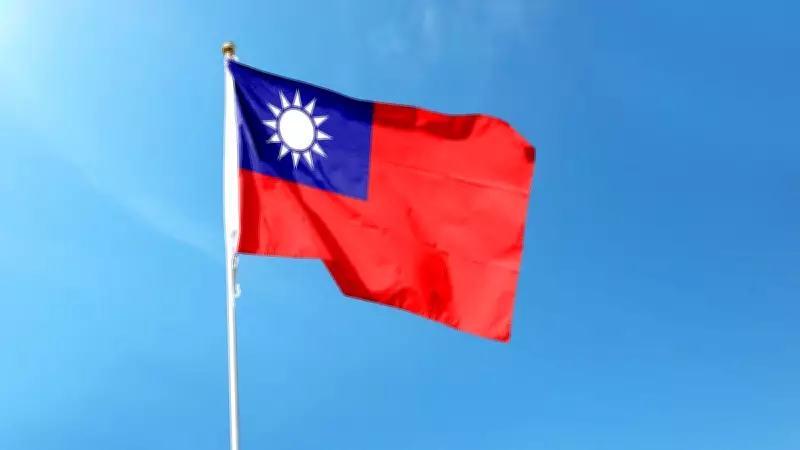
In practice, Taiwan operates as a de facto independent state with its own government, military, and constitution. It has democratic elections, a functioning economy, and maintains diplomatic relations with several countries. However, it is not recognized as a sovereign state by the United Nations or most nations, which adhere to the One-China policy. The ROC constitution still claims sovereignty over mainland China, but the PRC views this as a temporary situation. Thus, while Taiwan is self-governing, its legal status remains ambiguous and a source of international tension.
The issue remains a flashpoint in global politics, with major powers urging peaceful dialogue between Taipei and Beijing to resolve their differences.