

US and Iran Continue Offensive: Navy Boards Sanctioned Tanker, Iran Fires Warning Missiles at Warships
The United States and Iran remain locked in a cycle of offensive actions, with the US Navy boarding a sanctioned tanker and Iran firing warning missiles at warships in the region. This latest escalation marks a significant uptick in tensions between the two nations, raising concerns about a broader conflict in the Middle East.
US Navy Boards Sanctioned Tanker
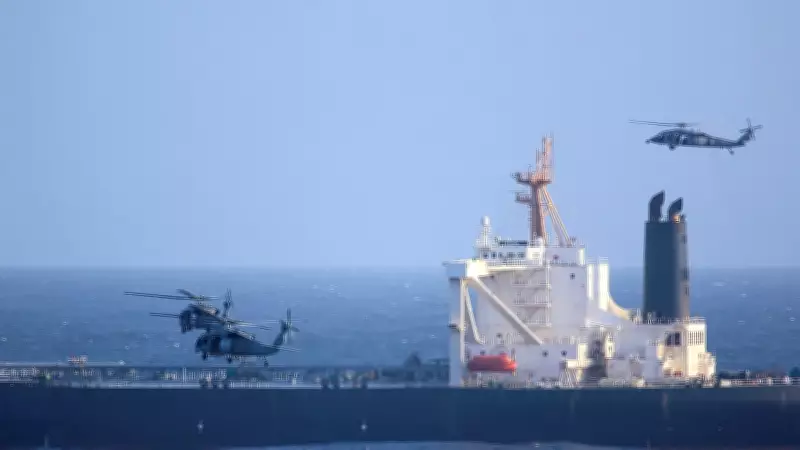
In a bold move, the US Navy successfully boarded a tanker suspected of carrying sanctioned Iranian oil. The operation, which took place in international waters, involved Navy SEALs who rappelled onto the vessel from helicopters. The tanker, identified as the Suez Rajan, was reportedly transporting Iranian crude oil in violation of US sanctions. The crew was detained, and the ship was seized, adding to the growing list of confrontations at sea.
Iran Fires Warning Missiles
In response, Iran fired warning missiles near US warships in the Persian Gulf. According to Iranian officials, the missiles were meant to signal the US vessels to stay clear of an Iranian-flagged tanker. The US Navy confirmed that the missiles landed in the water close to its ships but caused no damage or injuries. This act of defiance underscores Iran's determination to protect its maritime interests and challenge US naval dominance in the region.

Escalating Tensions
The back-and-forth actions highlight the fragile state of US-Iran relations. The US has intensified its sanctions regime against Iran, targeting its oil exports, while Iran has responded by increasing its nuclear activities and harassing commercial shipping. The recent incidents could potentially trigger a larger military confrontation, as both sides appear unwilling to back down.
International Reactions
The international community has expressed concern over the escalating tensions. The United Nations called for restraint, urging both parties to engage in diplomatic dialogue. Meanwhile, regional allies like Saudi Arabia and Israel have voiced support for the US actions, while Russia and China have criticized the US for its aggressive posture. The situation remains fluid, with no immediate signs of de-escalation.
Broader Implications
The ongoing standoff has broader implications for global oil markets and regional stability. Any disruption in the Strait of Hormuz, a vital chokepoint for oil shipments, could lead to a spike in oil prices and economic instability. Additionally, the conflict could embolden other regional actors to challenge US interests, further complicating the geopolitical landscape.
As the US and Iran continue their offensive postures, the world watches with bated breath. The next move from either side could determine whether this confrontation remains a series of skirmishes or escalates into a full-blown conflict. Diplomacy remains the best hope for a peaceful resolution, but both nations seem entrenched in their positions, making any breakthrough uncertain.






