

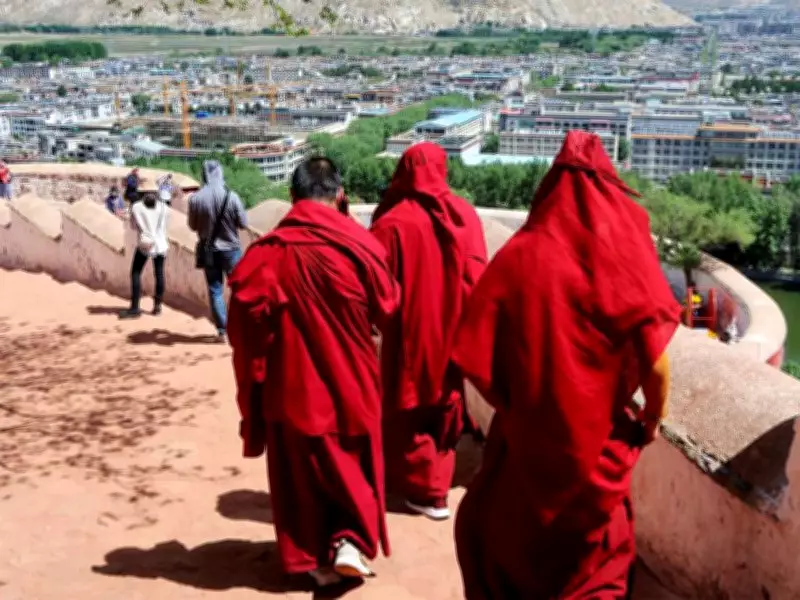
The United States has urged Nepal to increase its support for Tibetan refugees and deepen economic ties, as the Himalayan nation navigates growing regional pressures, particularly from China. The call was made during a visit by a senior US official, who emphasized the importance of protecting the rights and well-being of Tibetan refugees living in Nepal.
US-Nepal Relations and Tibetan Refugee Issue
The US official reiterated Washington's commitment to assisting Nepal in addressing humanitarian needs, including those of Tibetan refugees. Nepal hosts a significant number of Tibetan refugees, many of whom fled their homeland following the 1959 uprising. The US has long been a vocal advocate for Tibetan rights, and the recent remarks underscore its continued focus on the issue.
During the discussions, the US also encouraged Nepal to explore avenues for enhanced economic collaboration, including trade and investment. This comes as Nepal seeks to balance its relationships with neighboring China and traditional partners like the US and India. The US official highlighted that stronger economic ties could provide Nepal with greater leverage in its foreign policy.

Regional Pressures and Nepal's Balancing Act
Nepal has faced increasing pressure from China to restrict activities related to Tibetan refugees, including limiting their political and religious expressions. Beijing views Tibet as an integral part of China and has often criticized foreign interventions on the issue. However, Nepal has maintained a delicate balancing act, trying to preserve its sovereignty while managing relations with both China and the US.
The US call for enhanced support for Tibetan refugees may strain Nepal's ties with China, which has been a key investor in Nepal's infrastructure projects under the Belt and Road Initiative. Analysts suggest that Nepal will likely proceed cautiously, ensuring it does not alienate either side.
Economic Cooperation as a Priority
Beyond the refugee issue, the US emphasized the potential for expanding economic cooperation. The US official pointed to opportunities in sectors such as technology, agriculture, and tourism. The US has already been a significant source of remittances from Nepali diaspora and a partner in development projects.
Strengthening economic ties could help Nepal reduce its dependence on Chinese loans and investments. The US has also offered support for Nepal's post-pandemic recovery, focusing on sustainable development and job creation.
Conclusion
The US call on Nepal to enhance support for Tibetan refugees and strengthen economic ties reflects the broader geopolitical contest in South Asia. As Nepal navigates these pressures, the outcome will likely depend on its ability to maintain a balanced foreign policy while addressing domestic needs.






