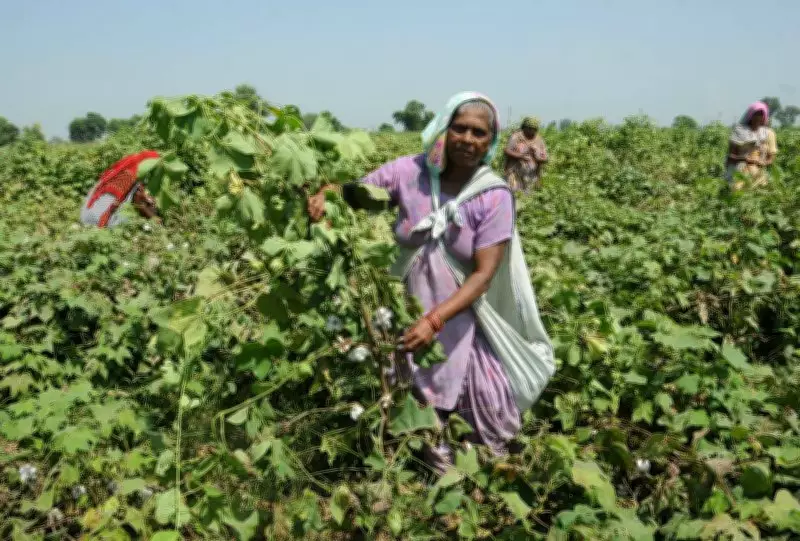
Farmers in Haryana are rapidly moving away from cotton cultivation as repeated crop failures caused by pest infestations and waterlogging from untimely heavy monsoon rains have made the crop increasingly unviable. Over the past seven years, the area under cotton during the kharif season has steadily declined, raising serious concerns among agricultural scientists and farmers alike. While cotton is a cash crop that offers direct income without household consumption and benefits soil fertility with less irrigation compared to paddy, these advantages are being overshadowed by persistent losses.
Why Are Farmers Turning Away from Cotton?
The primary reasons for the shift include frequent pink bollworm attacks that damage cotton bolls and cause recurring financial losses. Erratic and unseasonal rainfall has also led to prolonged waterlogging, which cotton plants cannot withstand. As a result, farmers are opting for alternative crops that offer more predictable returns.
Government Measures to Promote Cotton
The Haryana Agriculture and Farmers' Welfare Department has launched several initiatives, including a dedicated cotton promotion wing formed this year to boost sowing in districts like Sirsa, Fatehabad, Hisar, Bhiwani, Charkhi Dadri, Rewari, and Mahendragarh. Financial incentives include Rs 2,000 per acre for micronutrient support and Rs 4,000 per acre for desi cotton cultivation. However, these measures have failed to reverse the decline, indicating that policy incentives alone cannot restore farmer confidence given the high risk of financial loss.

Extent of Decline in Cotton Acreage
Cotton acreage in Haryana has fallen sharply from over 8 lakh hectares in 2019–20 to 2.82 lakh hectares in 2025–26—a decline of about 5.17 lakh hectares, or nearly 65 percent over seven years. Compared to the previous year (2024–25), when cotton was grown on 3.9 lakh hectares, the area has dropped by nearly 28 percent.
Expert Insights on the Decline
Scientists from Chaudhary Charan Singh Haryana Agricultural University (HAU) and Agriculture Department experts attribute the decline to persistent crop failures leading to financial losses and agronomic stress. According to Dr Vinay Mahla, an agricultural scientist at HAU, the average cultivation cost per acre is Rs 40,024, while returns from produce amount to only Rs 24,081 plus Rs 801 from by-products, resulting in a net loss of about Rs 15,142 per acre. Agricultural expert Dr Atma Ram Godara also highlights recurring pink bollworm infestations and climate-related damage such as heavy rainfall and flooding as key factors pushing farmers away from cotton.
Advantages of Cotton Over Paddy
Cotton is considered a cash crop that generates direct income as the entire produce is sold without household consumption. Agronomically, cotton is more soil-friendly than paddy because it requires less irrigation and places lower stress on groundwater resources. Properly managed cotton helps maintain soil structure and long-term fertility, making it a potentially sustainable choice—yet the current challenges are undermining these benefits.