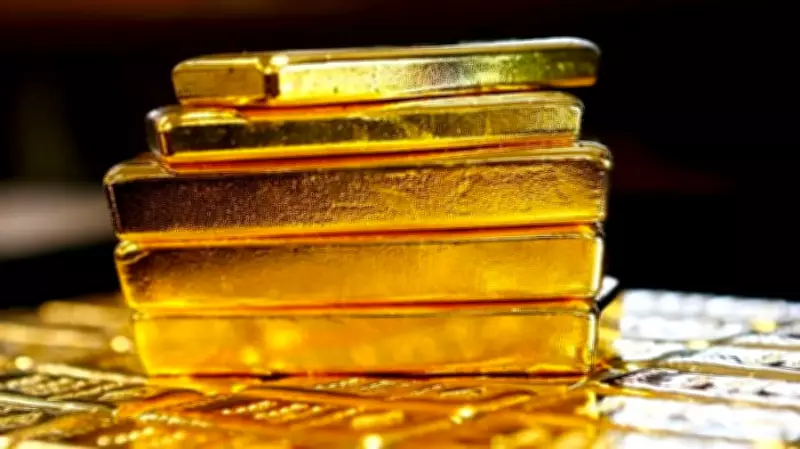
The recent shock to the global financial system caused by the war in the Middle East has once again highlighted how central banks turn to gold during times of stress. This trend is not new but has intensified as geopolitical uncertainties mount.
Central Banks and Gold: A Historical Perspective
Throughout history, gold has been a trusted store of value during crises. Central banks, particularly those in emerging economies, have been increasing their gold holdings to diversify reserves and reduce dependence on the US dollar. According to the World Gold Council, central banks purchased over 1,000 tonnes of gold in 2023, marking the second-highest annual demand on record.
Reasons Behind the Rush
- Geopolitical Risks: Conflicts such as the war in the Middle East and tensions between major powers have prompted nations to seek safe-haven assets.
- Sanctions and Financial Isolation: Countries like Russia and China have accelerated gold buying to shield their economies from potential Western sanctions.
- Inflation Hedge: With inflation remaining elevated in many parts of the world, gold offers a reliable hedge against currency devaluation.
- Diversification: Central banks aim to reduce reliance on the US dollar and diversify their reserve assets.
Impact on Gold Prices
The surge in demand has pushed gold prices to record highs. Analysts predict that prices could remain elevated as central banks continue their buying spree. However, some experts warn that excessive accumulation could distort markets and increase volatility.

In conclusion, the current geopolitical climate and economic uncertainties are driving central banks to stockpile gold. This trend underscores gold's enduring role as a safe-haven asset in an increasingly unstable world.