For years, the idea of travelling in India was based on hope. It was planned, not very often, and often turned into a long vacation that made the effort of stepping away seem worth it. You made plans for it weeks or even months in advance, and when you finally went, the goal was clear: to make the most of the experience.
That way of thinking doesn't work anymore. What we are seeing today is not just a change in how people travel, but a more basic change in how they prioritise things. At its heart is a simple but powerful truth: time is now the most limited and valuable resource.
The Rise of the Short Escape
Most conversations around travel now by homeowners, guests, and urban professionals lead to the conclusion that people want to take a break more than they used to, but they can't do it for as long as they used to. Work is now constant, not cyclical. Lines have become less clear. It's not often that you can be unreachable, even for a short time.

In that sense, the rise of the short escape is not a trend. It is a response to structure. Short, frequent breaks are becoming the new way to travel. Not because people want less, but because they are changing how they get more. These breaks fit into life instead of getting in the way of it. They let you get better without having to deal with planning, long trips, or being away for a long time.
A Shift from Busy Itineraries
This change is also seen in how people travel around the world. According to McKinsey & Company, travellers are increasingly choosing shorter, more frequent trips because they have less time and their work schedules are becoming more flexible. But what's more interesting is how this change in behaviour is changing what people expect.
The modern traveller is no longer looking for a lot of new experiences. People are clearly moving away from busy itineraries and toward places that offer peace, quiet, and a sense of stability. People today don't want to see more; they want to feel more.
The Evolution of the Staycation
The idea of the staycation has grown a lot since then. Geography no longer defines it. It is defined by what you want to do. Proximity is just a way to make things happen. The quality of the place you arrive at is what really matters. People want places that feel thought out, where the architecture, light, materials, and landscape all work together to make them feel calm. Places that don't require participation but let it happen.
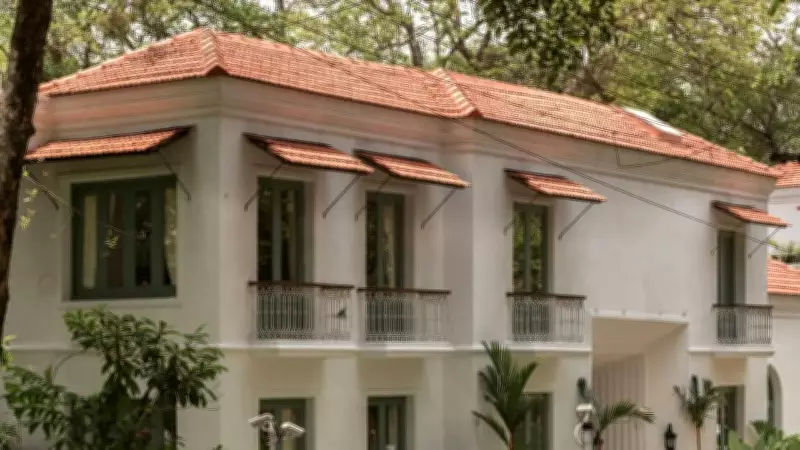
We have seen this happen very clearly in places like Goa. There is a clear shift away from traditional hospitality formats and toward private, design-led homes. Houses that are both safe and private. Homes that feel like they belong to you, but work like a well-run business. This is different from the usual way of doing hospitality, which was based on size, standardisation, and density. Instead, people are starting to prefer fewer, better experiences, where design, context, and privacy are more important than size and show.
Convenience as a Luxury
In this new equation, convenience is a kind of luxury. A trip that takes two or three hours and ends with a meaningful break is often more valuable than a long, complicated trip. Less time spent travelling makes the experience itself better. It lets people get there without getting tired and get more involved with the environment. Because of this, people are willing to spend money on better spaces, even if they only need them for a short time.
The focus is changing from length to depth. This is, in many ways, changing what luxury means. Luxury these days isn't about how far you've travelled or how long you've been there. It's about being able to get to nature, silence, and a slower pace of life. It's about being able to leave without being interrupted and being in a space that feels both restorative and purposeful. A well-designed home, natural materials, lots of light, and a sense of calm are starting to be worth a lot more than planned trips or overindulgence.

Redefining Ownership and Purpose
This change is also having an effect on the idea of ownership, which is just as important. People no longer see the home as just a piece of property that doesn't change. More and more people see it as an experience that must give the same emotional and mental benefits that travel used to. This is where the lines between living in a home, staying in a hotel, and travelling are starting to get fuzzy.
I think that formats that can easily connect these two worlds will be the most popular in the future. Places where people live but also go to get away from it all. Homes that give you a sense of stability while also letting you be alone. Places that not only support life, but also make it better.
In that sense, short breaks are not just a phase. They are a sign of a bigger cultural trend toward living with purpose, where balance, flexibility, and quality of time are more important than anything else. That might be the most important change of all. Because the question is no longer where we go.