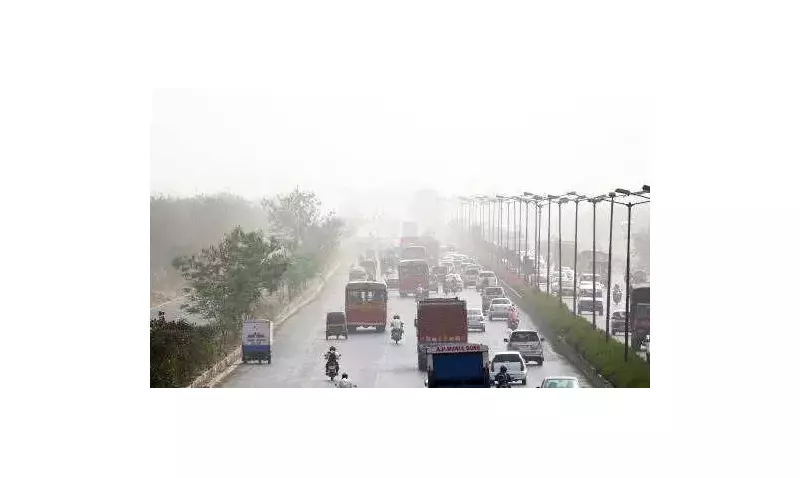
In a significant move to combat deteriorating air quality, the Maharashtra Pollution Control Board (MPCB) has ordered the immediate closure of ten ready-mix concrete (RMC) plants operating in the Mumbai Metropolitan Region (MMR). The environmental regulator also recovered penalties amounting to Rs 84 lakh during an intensive two-day inspection drive.
Widespread Violations Uncovered During Inspections
MPCB's flying squads conducted surprise checks at a total of 44 RMC plants across the region. The inspections revealed that several units were blatantly flouting prescribed environmental standards and dust-control regulations. As a result, the board issued orders to halt operations at ten facilities located in Dombivli, Kalyan, Ambernath, Bhiwandi, Turbhe, Virar, and Worli.
In addition to the closures, the regulatory body served show-cause notices to 17 other plants, demanding explanations for the observed violations. A further four units received interim directions, with more action pending based on their compliance.

Construction Sites Also Under Scanner
The crackdown was not limited to concrete batching plants. The enforcement teams also scrutinized 29 large construction sites as part of the same drive. The inspections led to proposed directions being issued against five major projects where violations related to dust suppression and other air pollution control norms were documented.
Sustained Campaign Against Pollution
This enforcement action is part of a sustained campaign launched by the MPCB in December, following growing public and official concern over the region's poor air quality. Since the initiation of this special drive, the board has inspected a staggering 240 RMC plants within the MMR. The cumulative financial penalty recovered from these operations now stands at a substantial Rs 4.35 crore.
MPCB officials have made it clear that inspections will continue unabated. They warned that units found to be repeatedly violating norms will face even stricter action, including permanent closure, as improving air quality remains a top priority for the region. The board's message is unequivocal: compliance with environmental safeguards is non-negotiable for industries contributing to pollution.