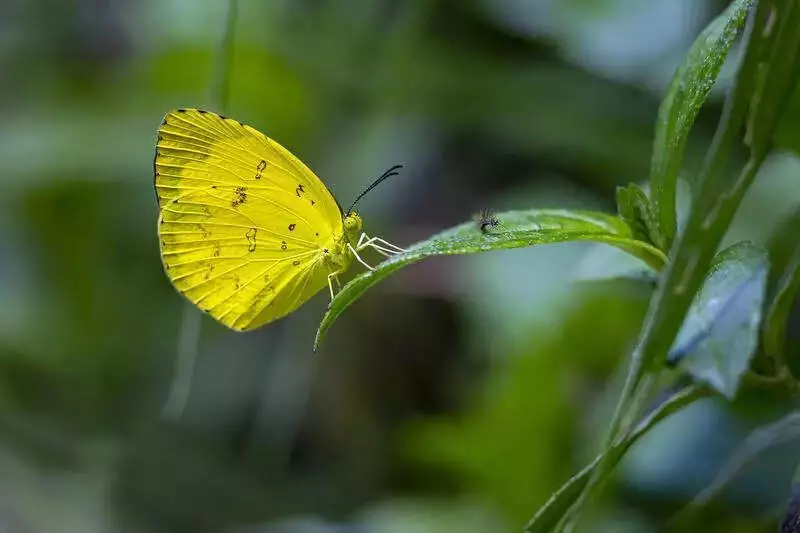
In the heart of Chennai's sprawling urban jungle, a verdant campus has emerged as a vital sanctuary for winged wonders. A detailed six-month scientific survey conducted within the Anna University grounds has documented an impressive 72 species of butterflies and moths, showcasing a remarkable level of biodiversity often unseen in metropolitan areas.
A Diverse Urban Insect Inventory
The study, carried out by the National Centre for Sustainable Coastal Management (NCSCM), recorded these Lepidoptera species across 13 distinct families and 59 genera. This diversity makes the campus one of the most significant documented insect habitats inside the city limits. Researchers noted that despite the intense urbanisation surrounding the area, the campus greenery provides a critical refuge.
The most dominant group found was the Nymphalidae family, often called brush-footed butterflies. This family alone contributed 23 species, accounting for nearly 32% of all individuals counted. Following them were Erebidae moths with 10 species, Pieridae (whites and yellows) with 9 species, and Papilionidae (swallowtails) with 6 species. Geometridae, Crambidae, and Lycaenidae families were also well-represented, with six other families having a single species each.

Butterflies as Ecological Barometers
The findings hold substantial importance because butterflies are globally recognized as sensitive ecological indicators. Their presence, diversity, and health directly reflect the quality of their habitat, local climate conditions, and vegetation.
S Vijayan, the corresponding author of the study, emphasized this point. "Despite the high level of urbanisation, we recorded 72 species," he said. "Due to their sensitivity to different seasons and climates, butterflies are considered ‘ecological indicators'. They also boost plant diversity by acting as effective pollinators. The variety of fruit plants on campus helps maintain this Lepidoptera diversity."
The research directly connected the abundance of Nymphalidae butterflies to the wide array of host plants available. Commonly spotted species included the Common tiger (Danaus genutia), Common crow (Euploea core), and Lemon pansy (Junonia lemonias). The survey found that flowering plant families like Fabaceae, Rutaceae, and Euphorbiaceae were closely linked to higher butterfly richness.
A Tale of Two Wings: Butterflies vs. Moths
While butterflies showed robust diversity, the study revealed a more fragile story for moths. The Erebidae family of moths, which is usually abundant in less developed areas, displayed reduced variety within the metro setting. Scientists attribute this decline primarily to habitat loss and the removal of specific host plants that these moths depend on for survival.
Vijayan explained the resilience of the dominant butterfly family: "Many Nymphalidae members can thrive in various environments. They are very active and strong fliers, which helps them scout for resources across large areas." This adaptability may be key to their success in the urban campus ecosystem.
The Anna University campus study ultimately serves as a powerful reminder of the essential role green pockets play in conserving biodiversity within India's rapidly growing cities. Protecting these urban oases is crucial for maintaining ecological balance and supporting species that act as early warning systems for environmental change.