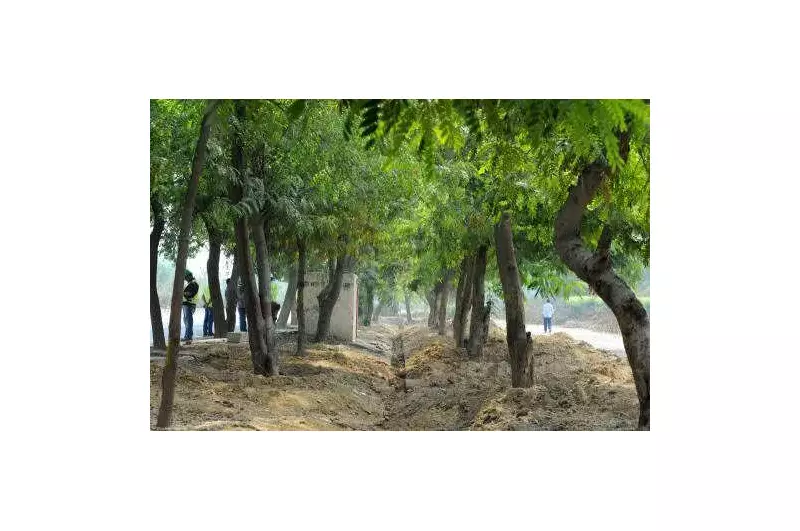
New Delhi: A recent inspection conducted by the forest department in west Delhi's Paschim Vihar area has revealed that 859 out of 1,063 compensatory saplings are currently surviving across four parks. The assessment, which took place on January 19, was documented in a report dated January 20, highlighting both progress and ongoing challenges in urban greening efforts.
Survival Rate and Replacement Efforts
The inspection, carried out jointly by the forest department and the Municipal Corporation of Delhi (MCD), focused on four parks where saplings had been planted as part of compensatory measures. According to the findings, 204 of the original saplings had dried up and died, prompting immediate replacement work to restore the full complement of trees. This survival rate of approximately 81% underscores the delicate balance between planting initiatives and post-plantation care in urban environments.
Key Recommendations from the Report
The forest department's report emphasized several critical requirements for ensuring the long-term health of these saplings. Regular cleaning of plants was identified as a necessity across all four parks to prevent debris accumulation and pest infestations. Additionally, the installation of tree guards was recommended to protect young saplings from physical damage, vandalism, and grazing by animals.

One specific observation noted that in NHP Park at B3, saplings had been planted under large shady trees, which could potentially hinder their growth due to limited sunlight. The department urged regular monitoring of all parks to address such issues proactively and adapt care strategies as needed.
Background: Environmental Violations and Legal Action
This inspection follows earlier environmental concerns in Paschim Vihar. In February and March 2024, local resident Khyati Anand filed a plea with the National Green Tribunal (NGT), alleging illegal lopping and pruning of over 250 trees in the area. An investigation ensued, leading to the formation of a joint committee to assess the violations.
Joint Committee Findings and Penalties
In April last year, the joint committee, which included members from the Union environment ministry, the Central Pollution Control Board, the Delhi Pollution Control Committee, and the district magistrate of north Delhi, concluded its investigation. The committee found that 29 trees had been heavily pruned, exceeding the permitted limit for light pruning of only 40 trees.
As a consequence of these violations, the forest department directed the MCD to plant 1,000 compensatory saplings. This directive aimed to mitigate the environmental damage caused by the unauthorized pruning, aligning with broader efforts to uphold green cover standards in Delhi.
Implications for Urban Greening in Delhi
The survival of 859 saplings in Paschim Vihar parks represents a positive step in compensatory afforestation, yet it also highlights the ongoing need for vigilant maintenance and community involvement. The forest department's call for regular monitoring and protective measures reflects a growing recognition that planting trees is only the first step; sustained care is essential for their survival and growth.
Residents like Khyati Anand play a crucial role in holding authorities accountable, as seen in the NGT case. Such legal interventions ensure that environmental norms are enforced, and violations are addressed through tangible corrective actions, such as the mandated sapling plantations.
As Delhi continues to grapple with air quality issues and urban heat island effects, initiatives like these in Paschim Vihar contribute to the city's broader environmental resilience. The focus now shifts to implementing the forest department's recommendations to safeguard these green spaces for future generations.