

Earth's 9 Largest Animals That Dwarf a Bus in Size and Scale
The Earth is home to an astonishing array of extraordinary creatures, but few capture the human imagination quite like its largest animals. These titans of land and sea dominate their environments with sheer size and power, often exceeding the dimensions of a standard bus. From the depths of the oceans to the vast savannas, these magnificent beings remind us of nature's boundless capacity for wonder and awe.
The Blue Whale: The Ultimate Giant
Reigning supreme as the largest creature ever to inhabit our planet, the blue whale stretches up to an incredible 30 meters in length and can weigh as much as 200 tonnes. To put this in perspective, that's equivalent to approximately 33 adult elephants. This marine behemoth primarily feeds on tiny krill, filtering massive amounts of water through its baleen plates.
African Bush Elephant: King of the Land
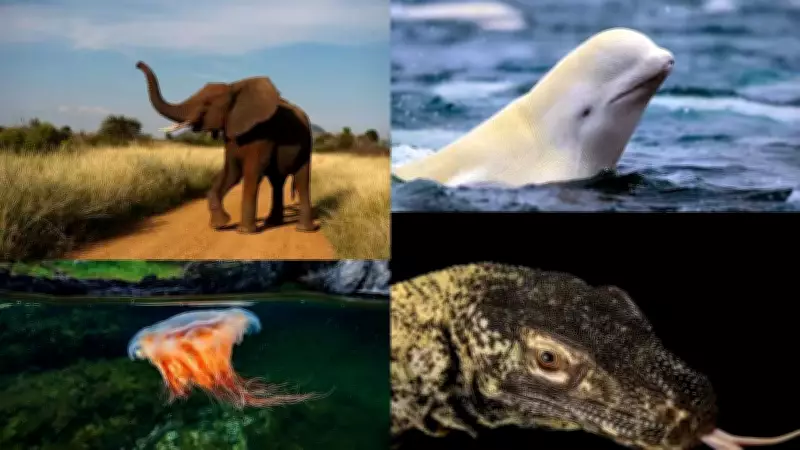
On solid ground, the African bush elephant claims the title of the largest living land animal. Towering at up to 4 meters in height, with tusks that have historically shaped ancient landscapes, this majestic creature is a cornerstone of African ecosystems. Recognized as one of Africa's iconic "Big Five," it plays a crucial role in maintaining biodiversity.

Lion's Mane Jellyfish: The Ocean's Longest
With tentacles that can unfurl up to 36 meters, the lion's mane jellyfish holds the distinction of being Earth's longest animal. Its stunning, stinging appearance belies a delicate structure that drifts through cold ocean waters. Some marine biologists debate whether the saltwater bootlace worm might rival this length, but the jellyfish remains a breathtaking example of marine gigantism.
Komodo Dragon: The Heavyweight Lizard
Prowling the Indonesian islands, the Komodo dragon stands as the world's heaviest and largest lizard. These formidable reptiles can exceed 3 meters in length and weigh over 150 kilograms, with some specimens reaching up to 300 pounds. As endangered species, they represent millions of years of evolutionary history concentrated in a powerful predator.
Other Notable Giants
Beluga Whale: Recognizable by its pure white coloration in adults and rounded head with a prominent melon, the beluga lacks a dorsal fin, instead featuring a narrow dorsal ridge. Males can grow between 3.4 to 4.6 meters, while females are slightly smaller.
Galapagos Giant Tortoise: Among the longest-lived land vertebrates, these tortoises average over a hundred years, with the oldest recorded individual reaching 175. They exceed five feet in length and can weigh more than 500 pounds, once so abundant that Spanish explorers named the Galápagos Islands after them.
Great White Shark: As the largest predatory fish on Earth, great whites typically grow to around 4.6 meters, but some have been measured at 6 meters—half the length of a bus. They inhabit cool coastal waters worldwide, embodying both fear and fascination.
Giant Manta Ray: With a wingspan reaching up to 26 feet and weighing over 5,000 pounds, the giant manta ray is the world's largest ray. Its name derives from the Spanish word for "blanket," reflecting its vast size, and each individual has unique belly spots akin to human fingerprints.
American Alligator: Once endangered, conservation efforts have revived populations of these reptiles. Males average 10 to 15 feet in length, with half of that being a massive, powerful tail, and can weigh up to 1,000 pounds.
North Atlantic Right Whale: Now one of the rarest large whale species, these gentle giants reach up to 15.8 meters in length. They are identified by stocky bodies, short pectoral fins, and distinctive callosities on their heads, which scientists use for individual identification.
These colossal animals not only inspire awe but also highlight the fragility of our planet's ecosystems. Their survival depends on continued conservation efforts and global awareness, ensuring that future generations can marvel at these living wonders that truly put the scale of a bus into perspective.






