Adults Ingest Up to 52,000 Microplastic Particles Annually, Ministry Event Reveals
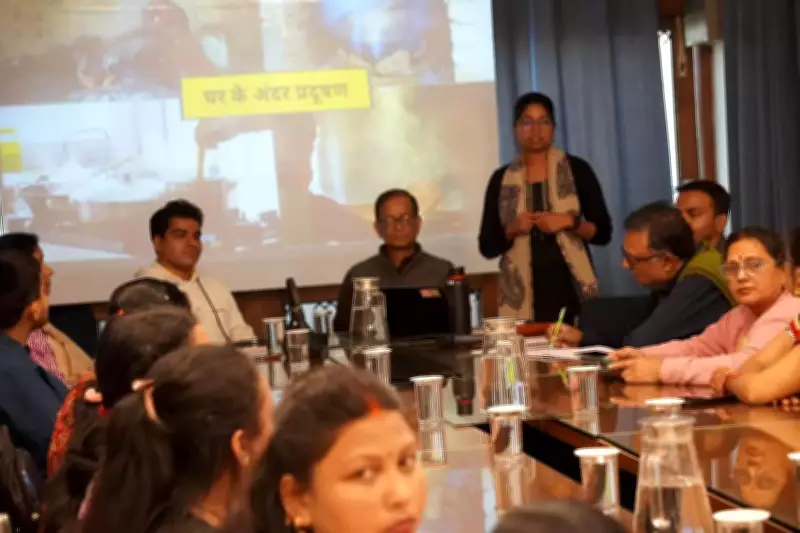
In a stark revelation during an awareness drive sponsored by the Ministry of Environment, Forests and Climate Change on Tuesday, data indicated that adults consume between 39,000 and 52,000 microplastic particles each year. The programme, held in Patna, was organised as part of the Mission LiFE (Lifestyle for Environment) movement, focusing on the hidden dangers of indoor pollution.
Event Details and Key Findings
The event, titled ‘Invisible Threats at Home: Understanding Indoor Pollution & Micro-plastics,’ was jointly organised by the EIACP unit of the Centre for Studies on Environment and Climate and the Jan Shikshan Sansthan (JSS) of the Asian Development Research Institute (ADRI). Pooja Kumari, programme officer of EIACP, cited United Nations Environment Programme data to highlight the alarming consumption rates of microplastics.
These particles, which range in size from 1 nanometre to 5 millimetres, primarily originate from manufactured beauty products and the degradation of larger plastic items. Kumari emphasised that microplastics are non-degradable and have been detected in human blood, organs, soil, oceans, and the atmosphere. She linked their presence to serious health issues, including respiratory problems, immune system suppression, hormonal imbalances, and thyroid disorders.

Health Risks and Recommended Measures
To combat this growing threat, Kumari recommended several practical measures. These include banning single-use plastics and replacing plastic kitchenware with alternatives such as steel, glass, or earthenware. She also advised regular dusting, maintaining proper home ventilation, and using wet cotton cloths for floor cleaning to reduce indoor microplastic accumulation.
Additionally, Kumari suggested using cloth bags for shopping and opting for cotton clothing for infants to minimise exposure. These steps aim to promote a healthier lifestyle and reduce the environmental footprint of plastic use.
Expert Insights on Indoor Pollution
Sandeep Kumar, director of JSS, spoke on the importance of adopting environment-friendly lifestyles and enhancing health consciousness among the public. Sunil Kumar Gupta, EIACP-ADRI coordinator, highlighted a critical finding: indoor microplastic pollution levels are double those found outdoors. He advocated for the immediate replacement of plastic items in kitchens to mitigate this risk.
The programme was attended by 50 women trainees and organised by staff from both EIACP-ADRI and JSS, underscoring the community-focused approach to raising awareness about microplastic dangers.
Broader Implications and Call to Action
This event underscores the urgent need for collective action against plastic pollution. With microplastics posing significant health and environmental threats, the recommendations provided offer a roadmap for individuals and policymakers to reduce exposure and promote sustainable practices. The Mission LiFE movement continues to drive such initiatives, aiming to foster a culture of environmental stewardship and public health protection.