

Major Amusement Ride and Cable Car Accidents in India: A Safety Review
Recent incidents involving amusement rides and cable cars in India have brought safety concerns to the forefront, highlighting the need for stricter regulations and oversight. From the Darjeeling ropeway to the Surajkund fair, these accidents have resulted in injuries and fatalities, prompting calls for enhanced safety measures across the country.
Recent Incidents: Darjeeling Ropeway and Surajkund Fair
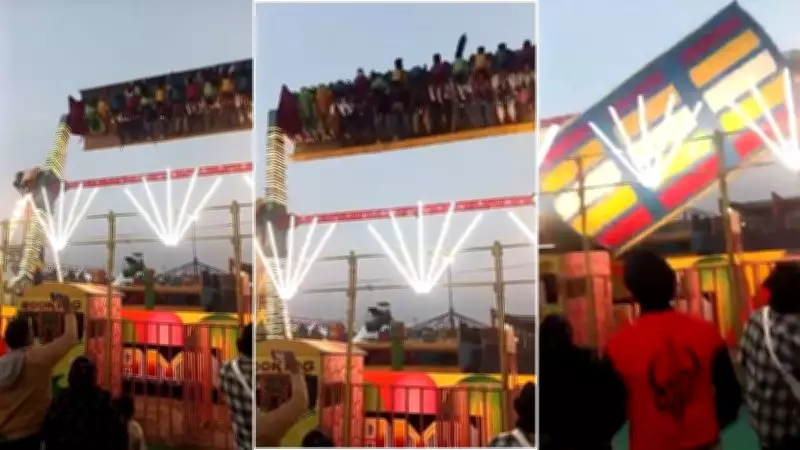
The Darjeeling ropeway accident, a notable event, involved a cable car malfunction that led to multiple injuries. Similarly, at the Surajkund fair, an amusement ride failure caused significant harm to attendees. These incidents underscore the vulnerabilities in India's amusement infrastructure, often attributed to inadequate maintenance and lax safety protocols.
Common Causes of Accidents
Investigations into such accidents frequently point to several key factors:

- Poor Maintenance: Many rides and cable cars suffer from neglect, with regular checks not being conducted.
- Operator Error: In some cases, human mistakes during operation have led to catastrophic failures.
- Overcrowding: Excessive loads beyond safety limits can strain equipment, increasing the risk of accidents.
- Outdated Technology: Older rides may lack modern safety features, making them more prone to malfunctions.
These issues are compounded by a lack of stringent enforcement of safety standards, leaving the public at risk.
Impact on Public Safety and Tourism
Accidents like these not only cause immediate harm but also have broader implications. They can deter tourism, as seen in regions like Darjeeling, where the ropeway is a key attraction. Moreover, they erode public trust in amusement facilities, leading to decreased patronage and economic losses for operators.
Government and Regulatory Response
In response to these incidents, authorities have initiated reviews of safety protocols. For instance, the government has called for audits of all amusement rides and cable cars, emphasizing the need for compliance with international safety standards. However, implementation remains a challenge, with many states lacking dedicated regulatory bodies for oversight.
Recommendations for Improvement
To prevent future accidents, experts recommend several measures:
- Regular Inspections: Mandatory, frequent checks by certified professionals to ensure equipment integrity.
- Training Programs: Enhanced training for operators to minimize human error.
- Public Awareness: Campaigns to educate the public on safety practices when using such facilities.
- Legal Frameworks: Strengthening laws to hold operators accountable for negligence.
By adopting these strategies, India can work towards a safer environment for amusement rides and cable cars, protecting both locals and tourists.
In conclusion, the Darjeeling ropeway and Surajkund fair accidents serve as stark reminders of the urgent need for improved safety in India's amusement sector. With concerted efforts from government, operators, and the public, it is possible to mitigate risks and ensure that such tragedies do not recur.






