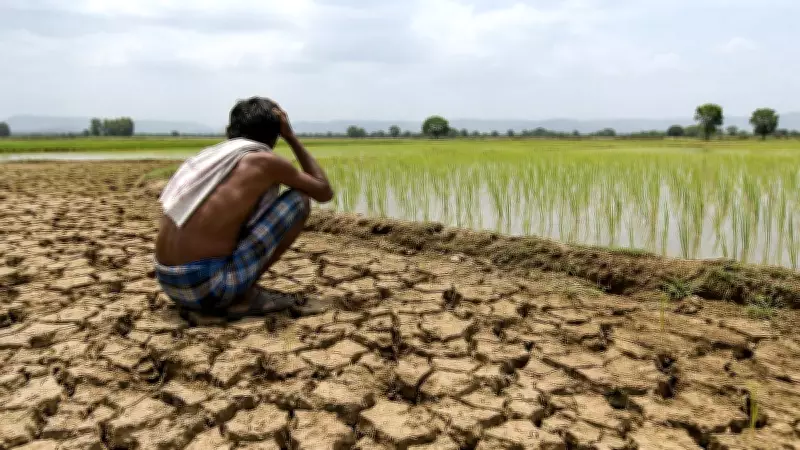
Farmers in Andhra Pradesh are adopting the Direct Seeded Rice (DSR) method, which saves up to 12 lakh litres of water per acre. This technique skips the traditional nursery stage; seeds are sown directly into the field, eliminating the need for transplantation, waterlogging, and standing puddles.
Water Conservation Amid El Nino Threat
With an El Nino-hit monsoon predicted, the DSR method offers a sustainable alternative. By avoiding the water-intensive nursery and transplantation processes, farmers significantly reduce water usage while maintaining yields. The practice is gaining traction as a climate-resilient farming technique.
How DSR Works
Direct Seeded Rice involves planting seeds directly into the soil, unlike conventional paddy cultivation where seedlings are grown in a nursery and then transplanted. This method requires less water and labor, and reduces methane emissions. It also allows for better weed management and soil health.

The state government and agricultural experts are promoting DSR through awareness campaigns and subsidies. Farmers are encouraged to adopt this method to mitigate the impact of erratic rainfall and water scarcity. The success of DSR in Andhra could serve as a model for other rice-growing regions facing similar challenges.