Arab Nations Watch Iran's Turmoil in Silence
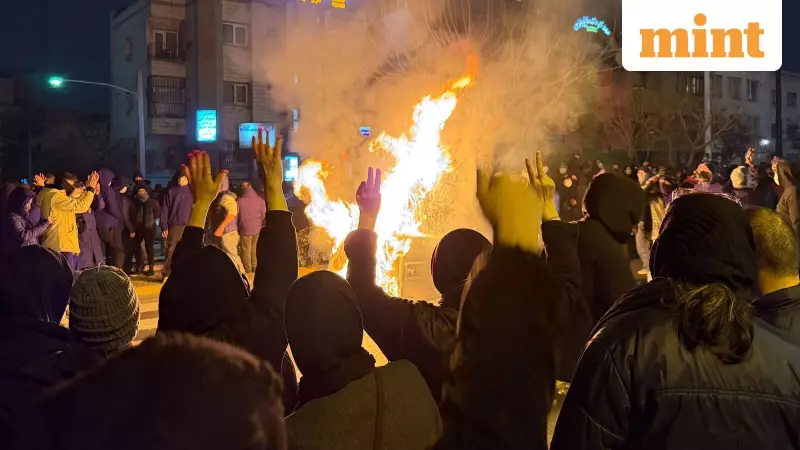
Iran faces massive nationwide protests today. These demonstrations arguably threaten the regime more severely than the 2022 unrest did. Yet across the Arab world, reactions stay surprisingly muted. This quiet stands in stark contrast to the vocal support many Arab outlets showed just a few years ago.
A Dramatic Shift from 2022's Loud Support
Back in 2022, the Arab world watched Iran's protests with keen interest. Pan-Arab news channels, often backed by Gulf monarchies, provided sympathetic, round-the-clock coverage. They seemed to cheer on the protestors. Arab diplomats publicly stayed cautious but privately sounded hopeful. The situation felt charged with possibility.
Iran's commander, Hossein Salami, even accused Saudi-backed media of inciting unrest. He issued a stark warning, demanding they stop. "Otherwise you will pay the price," he threatened. The regional tension was palpable.

Today's Muted Response Tells a Different Story
Fast forward to today. Evening news broadcasts across the Arab world now lead with other stories. Officials sound nervous when they comment, if they say anything at all. Two major factors explain this dramatic change in tone. First, Iran's regional power has significantly diminished. Second, Gulf states now harbor a deep fear of widespread chaos.
Recent conflicts have severely damaged Iran's network of allies. Hezbollah in Lebanon faces near-daily Israeli strikes. The pro-Iranian regime in Syria is gone. Iran itself reeled from intense bombardment in June. Commander Salami, who once made threats, was killed in that conflict. These events make the Islamic Republic's fate seem less immediately urgent to its neighbors.
Iran's Diminished Stature Changes Perceptions
Israeli Prime Minister Binyamin Netanyahu recently described Iran as "relegated to a second-rate power." Many Arab officials now share this assessment. The biggest regional stories lately involve Saudi-UAE tensions and Syrian-Kurdish clashes, not Iran. When Iran's foreign minister visited Beirut recently, it prompted more amusement than anger, a sign of shifting perceptions.
Yet, Iran is not completely powerless. This reality fuels caution in Arab Gulf states. They watch nervously as the U.S. considers its options regarding Iran, ranging from military strikes to tighter sanctions. American President Donald Trump has urged Iranian protestors to "take over" institutions, promising help is coming.
Fear of Retaliation and Uncontrolled Chaos
Despite damage to its long-range arsenal, Iran retains thousands of short-range missiles capable of hitting Gulf targets. After previous U.S. strikes, Iran launched missiles at a base in Qatar, issuing warnings first. Iranian officials have cautioned they will widen targets if attacked again, potentially including Bahrain.
Such threats might be bluster. A serious Iranian attack would likely trigger a massive American response. However, if the regime feels existentially threatened by both domestic protests and foreign attacks, it might gamble. Gulf rulers have no desire to test this theory.
The Ghost of State Collapse Haunts the Region
Perhaps the deepest fear is what follows regime collapse. Gulf states have spent decades dealing with the fallout from state failure in Iraq and Syria. Unrest there sent jihadists, refugees, and drugs flowing into neighboring countries like Jordan and the Gulf.
Saudi Arabia already contends with civil wars in Yemen and Sudan. The last thing it wants is state collapse in Iran, a nation of 92 million people just 200 kilometers away. Refugees pose one major concern. Loose weapons pose another; a fragmented Iran could lose control over missiles, drones, and unaccounted uranium.
There is no affection between Arab regimes and the Islamic Republic. They would welcome a new Iranian government willing to curb its nuclear ambitions and support for militias. Yet, after years of regional war, many Middle Eastern governments now fear that unrest in Iran will lead not to stability, but to greater, uncontrollable chaos. This profound fear explains their current, cautious silence.