The frozen crown of our planet is undergoing a dramatic and dangerous transformation. A comprehensive new study has concluded that the Arctic region has decisively entered a new climatic era, one characterized by frequent and severe extreme weather events. This shift marks a permanent departure from the stable, predictable patterns of the past.
From Stable Ice to Weather Extremes
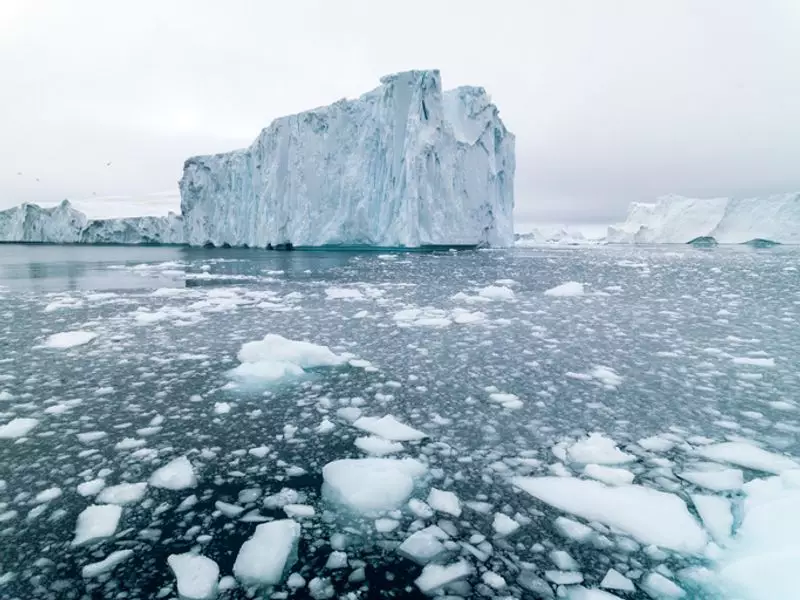
The research, published in the journal Nature Communications Earth & Environment, paints a stark picture of a region in crisis. Scientists analyzed vast amounts of data and found that since 2000, the Arctic's climate has crossed a critical threshold. The primary driver of this change is the rapid and sustained loss of thick, multi-year sea ice. This ice once acted as a durable, reflective shield for the planet. Now, it has been largely replaced by thinner, seasonal ice that melts easily, exposing dark ocean waters that absorb more solar heat.
This fundamental alteration in the Arctic's physical makeup has unleashed a cascade of effects. The study highlights several alarming manifestations of this new regime:

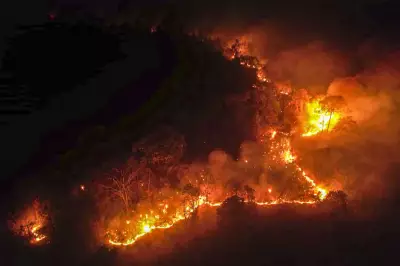
- Unprecedented Heatwaves: Events like the 38-degree Celsius record in Siberia in 2020, previously thought impossible, are now tangible realities.
- Intense Rainfall on Ice: In 2021, for the first time in recorded history, rain fell on the summit of Greenland's ice sheet instead of snow, a deeply concerning event.
- Wild Swings in Sea Ice: The Barents and Kara Seas north of Russia are experiencing violent fluctuations, with ice cover vanishing and reappearing erratically.
Global Repercussions of a Warming Arctic
The consequences of the Arctic's upheaval are not confined to the polar circle. The study's authors warn that these changes are creating powerful feedback loops that accelerate global warming and disrupt weather patterns worldwide. The jet stream, the river of air that guides weather systems, is becoming weaker and wavier as the temperature difference between the Arctic and mid-latitudes shrinks. This can lead to prolonged periods of extreme weather—be it heatwaves, cold snaps, or heavy rainfall—in North America, Europe, and Asia.
Furthermore, the accelerated melting of the Greenland ice sheet directly contributes to global sea-level rise, threatening coastal communities everywhere. The transformation also devastates local Arctic ecosystems, endangering species like polar bears and seals that depend on stable ice, and disrupting the lives and livelihoods of indigenous communities.
A Call for Urgent Climate Action
The study delivers a clear and urgent message: the old Arctic climate is gone. "The new Arctic is characterized by thinner sea ice, warmer temperatures, and increased extreme weather events," the researchers state. They emphasize that while reducing greenhouse gas emissions remains the ultimate solution to curb long-term warming, the world must now also prepare for and adapt to the immediate impacts of this irreversible shift.
The findings underscore that climate change is not a distant future threat but a present-day reality, with the Arctic serving as the planet's early warning system. The extreme weather witnessed there is a preview of the instability that could become more common across the globe if decisive action is not taken.