

Joint Operation Launched to Safely Transfer Honey Bees from Ajanta Caves
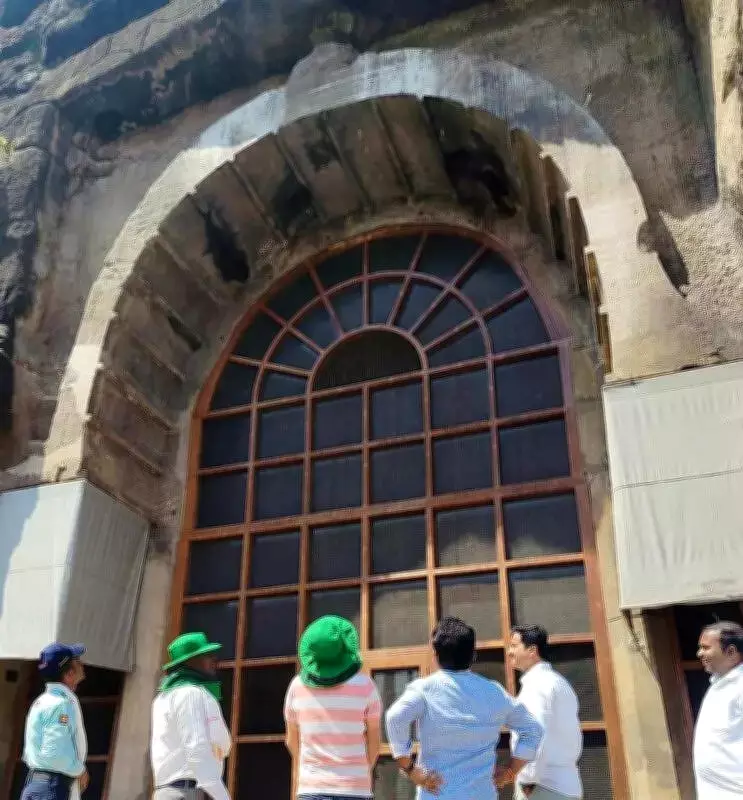
In response to a series of bee attacks on tourists, the Archaeological Survey of India (ASI) and the forest department have initiated a collaborative effort to relocate honey bees from the Ajanta Caves in Chhatrapati Sambhajinagar. This operation focuses primarily on Caves 9 and 10, with authorities emphasizing that it is designed to be safe for both visitors and the bees, which are crucial natural pollinators.
Scientific Approach Ensures Bee Safety
Amol Dodke, the range forest officer for the Ajanta circle, explained that the operation employs a fog-based technique to disperse the bees without causing harm. "We are spreading fog on the beehives, which acts as a repellent. The bees leave gradually over 12 to 18 hours and form new hives in natural habitats," he stated. Dodke highlighted that this method is highly scientific and prioritizes the protection of the bees, underscoring their vital role in pollination.
Details of the Bee Attacks and Hive Removal
According to officials, a total of seven honey bee attacks have occurred at the Ajanta Caves, with three incidents specifically involving Caves 9 and 10. The remaining attacks took place around the Unesco World Heritage Site. Manoj Pawar, the conservation assistant with ASI, noted that most beehives have recently formed at the facade of Caves 9 and 10. "We have identified around 19 small and large beehives at these caves, and we are removing bees from these structures in a phased manner. The operation is expected to last a few days until all hives are empty," Pawar said.

Enhanced Safety Measures for Tourists
To ensure visitor safety during the operation, the ASI is implementing additional precautions. Pawar mentioned that special caps are being provided to tourists, and visitor movement is being regulated to avoid large gatherings in front of vulnerable caves. "We are taking steps to prevent huge crowds and minimize risks," he added.
Background on the Bee Species and Habitat
Forest department authorities provided context on the bee species involved, noting that the Ajanta Caves area, located approximately 100 km from Chhatrapati Sambhajinagar, is a natural habitat for rock bees. Known locally as agya mohol, these bees are recognized for their aggressive behavior when provoked, which has contributed to the recent incidents. The joint operation aims to address this issue while preserving the ecological balance and ensuring a safer experience for tourists at this historic site.






