Bangladesh Turns to United Nations for Help Against Election Misinformation
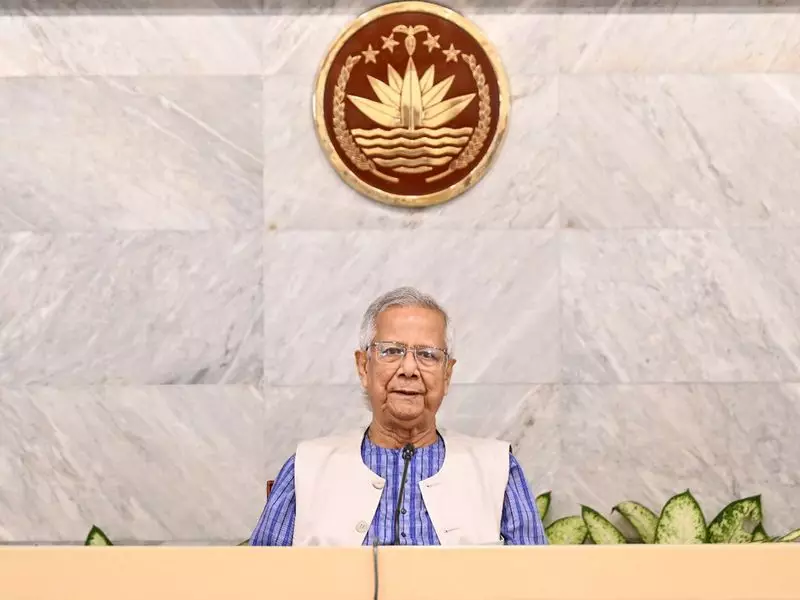
Bangladesh has made an official request to the United Nations. The country wants support to combat misinformation and disinformation. This move comes directly before the national elections. The polls are set for February 12.
A Formal Appeal for International Assistance
The government of Bangladesh reached out to the UN. They specifically asked for help in managing false information. This false information spreads rapidly online. It can influence public opinion and disrupt the electoral process. Officials expressed serious concern about coordinated disinformation campaigns. These campaigns aim to undermine the integrity of the upcoming vote.
Authorities highlighted the growing challenge of digital falsehoods. They noted that malicious actors use social media platforms to spread lies. These lies target political candidates and electoral institutions. The situation creates a volatile environment. It threatens the peaceful conduct of the elections.

The Critical Timing Before the February 12 Polls
The request for UN support arrives at a crucial moment. The country prepares for its next general election. February 12 is the confirmed date. Political tensions typically rise during election periods. The spread of fake news can exacerbate these tensions. It can lead to violence and social unrest.
Bangladeshi leaders emphasized the need for proactive measures. They want to ensure a free and fair electoral process. Combating misinformation is a key part of this effort. The UN possesses expertise and resources in this area. International cooperation could provide technical assistance and strategic guidance.
Understanding the Broader Implications
This development reflects a larger global trend. Many nations now grapple with election-related misinformation. Digital platforms make it easy to create and share false narratives. Bangladesh's action shows a commitment to addressing this modern threat. It also acknowledges the limitations of national efforts alone.
The success of this initiative could set an important precedent. Other countries may follow a similar path. They might also seek international help to protect their democratic processes. The world watches how the United Nations responds to this appeal from Bangladesh.
In summary, Bangladesh actively seeks United Nations backing. The goal is clear: to fight the tide of false information before voters go to the polls on February 12. This step underscores the serious impact of misinformation on democracy itself.