

Belagavi's Ambitious Biogas Initiative Faces Major Setbacks
The proposed compressed biogas (CBG) project in Belagavi has encountered significant obstacles, primarily due to land availability issues and strong public resistance. This has led authorities to abandon two previously selected locations, leaving the Rs 54.2 crore initiative in a state of uncertainty.
Project Details and Initial Approval
Awarded to GAIL under the central government's Gobardhan scheme, the project received administrative approval on November 20, 2025. Despite this formal green light, five months have passed without progress as the Belagavi City Corporation (BCC) continues to search for an acceptable site.
Site Selection Challenges and Public Backlash
Originally, the project was planned within the existing waste management facility at Turmuri, where 10 acres out of 66 available acres were to be leased to GAIL for 25 years. However, intense opposition from local residents compelled the civic body to withdraw this proposal.

Subsequently, alternative sites in the northern and southern parts of the city were identified, but both faced similar resistance from citizens. The BCC has now proposed a fresh location and submitted the plan to the urban development department for approval, hoping this third attempt will succeed.
Operational and Financial Framework
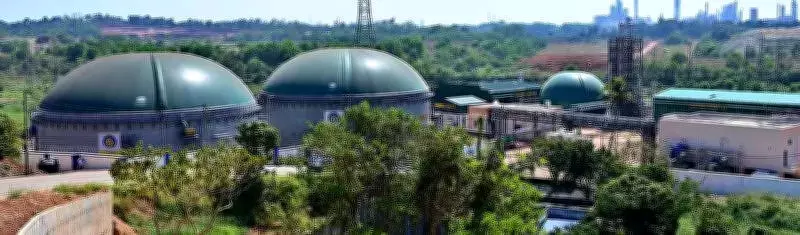
The facility is designed to process approximately 150 tonnes of wet waste generated daily within city limits, providing a sustainable alternative to the current solid waste management system at Turmuri. Crucially, the project imposes no financial burden on the city corporation.
GAIL will cover the entire capital expenditure of Rs 54.2 crore, along with annual operational costs estimated at around Rs 7.7 crore. The plant will convert wet waste into biogas while producing valuable by-products such as organic and liquid fertilizers for agricultural use.
Revenue Model and Long-Term Transfer
Revenue generated from these outputs will belong to GAIL during the 25-year contract period. At the end of the lease, the project will be transferred to the BCC in its existing condition, providing the city with a fully operational waste-to-energy facility.
Current Efforts and Community Engagement
Official sources indicate that city corporation officials, with assistance from local public representatives, are actively working to persuade residents who oppose the project. They aim to address concerns and highlight the environmental and economic benefits of the initiative.
The delays underscore the complex balance between urban development, environmental sustainability, and community acceptance in implementing large-scale infrastructure projects.






