Brazil Study Links Forest Shrinkage to Mosquitoes Targeting Human Blood
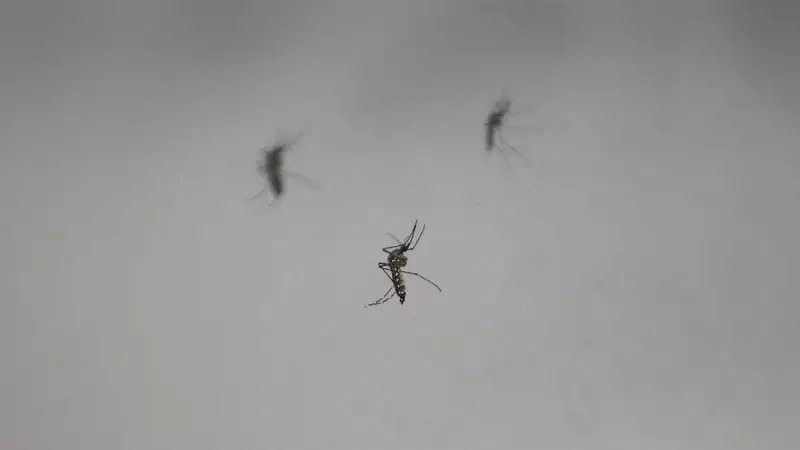
A recent study conducted in Brazil has uncovered a concerning trend. Researchers found that shrinking forests might push mosquitoes to prefer human blood over animal hosts. This shift could have significant implications for public health and disease transmission.
How Habitat Loss Changes Mosquito Behavior
Human activities are driving animals away from their natural habitats. As forests shrink, mosquitoes that once fed on a wide variety of hosts face a shortage of their usual targets. These insects are now finding new, human targets to quench their thirst for blood. The study highlights how environmental changes directly influence mosquito feeding patterns.
Key Findings from the Research
The research team observed several critical points. First, mosquitoes in deforested areas showed a clear preference for human blood. Second, the reduction in forest cover limited access to traditional animal hosts. Third, this behavioral shift increases the risk of mosquito-borne diseases spreading to human populations. Scientists warn that this trend could escalate if forest loss continues unchecked.

Implications for Public Health and Ecosystems
This study raises important questions about the broader impacts of deforestation. When mosquitoes switch to human blood, the potential for disease outbreaks grows. Communities near deforested regions may face higher exposure to illnesses like malaria or dengue. The findings underscore the interconnectedness of ecosystem health and human well-being. Protecting forests could help maintain natural mosquito host diversity and reduce health risks.
Researchers emphasize the need for further investigation. Understanding mosquito behavior in changing environments is crucial for developing effective prevention strategies. The study serves as a reminder that environmental conservation directly affects public health outcomes.