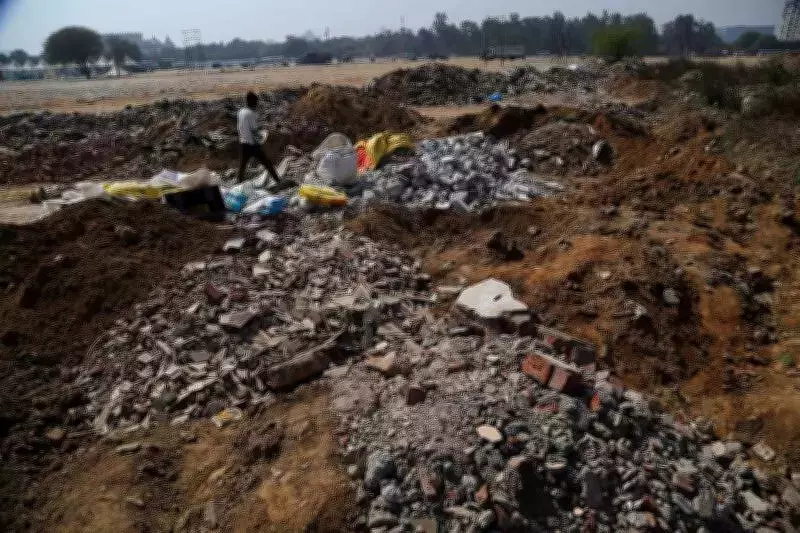
Construction Dust Identified as Key Contributor to Delhi-NCR Air Pollution Crisis
In a critical one-day training session focused on construction and demolition (C&D) waste management, environmental experts delivered a stark warning to Municipal Corporation of Gurgaon (MCG) officials. They revealed that dust generated from roads, soil, and construction activities is responsible for a staggering 42% of PM10 pollution in the Delhi-NCR region. This finding underscores C&D waste as a major, yet frequently neglected, source of deteriorating air quality in the area.
Training Session Highlights Urgent Need for Dust Control and Recycling Strategies
The training session, organized by the Centre for Science and Environment (CSE) and held at the MCG office, provided civic officials with comprehensive insights into effective dust control measures and innovative recycling models. These strategies are drawn from cities actively participating in the National Clean Air Programme (NCAP), aiming to combat urban pollution at its source.
Experts emphasized the severe environmental consequences of improper C&D waste disposal. Beyond air pollution, such waste leads to the blockage of water bodies, increased risks of urban flooding, land instability, and the encroachment on vital green spaces. However, they offered a hopeful solution, noting that approximately 80% to 90% of C&D waste can be recycled and reused, presenting a significant opportunity for sustainable urban development.

Substantial Emission Reductions Achievable Through Proactive Measures
During the session, detailed data was presented showing that implementing specific measures at construction sites could lead to dramatic improvements in air quality. By adopting practices such as enhanced road management, careful material handling, and the installation of wind barriers, PM10 emissions from these sites can be reduced by an impressive 64% to 79%. This highlights the direct impact that targeted interventions can have on public health and environmental sustainability.
MCG Commits to Phased Implementation of Scientific Waste Management
Additional Commissioner Yash Jaluka affirmed MCG's commitment to addressing this pressing issue. He stated, "MCG will adopt a solid strategy for scientific management of C&D waste and dust control, and suggestions received from the training will be implemented in a phased manner." Jaluka further elaborated on the broader implications, adding, "C&D waste management is not just a matter of garbage disposal, but an issue directly linked to clean air, resource efficiency, and climate protection. It has now become not an option but a necessity in the direction of clean and sustainable cities."
NCAP Study Advocates for Comprehensive Ecosystem Approach
Experts at the training referenced a pivotal NCAP study, which advocates for a holistic ecosystem approach to effectively manage C&D waste. This comprehensive strategy includes:
- Implementing robust bylaws to regulate waste disposal.
- Establishing a clear fee structure to incentivize proper management.
- Developing efficient collection mechanisms to prevent illegal dumping.
- Building adequate processing capacity to handle waste volumes.
- Creating mandatory demand for recycled products to close the loop.
Such an integrated framework is deemed essential for providing sustainable, long-term solutions to the urban pollution challenge, ensuring that cities like Gurgaon can move towards cleaner air and healthier environments for all residents.