For over six decades, the small Pennsylvania mining community of Centralia has been defined by a relentless subterranean phenomenon: an underground coal fire that continues to burn without cessation. Once a thriving home to thousands of residents, this town was systematically evacuated as escalating heat, toxic gas emissions, and unpredictable ground collapses rendered normal existence perilous.
The Origins of Centralia's Burning Legacy
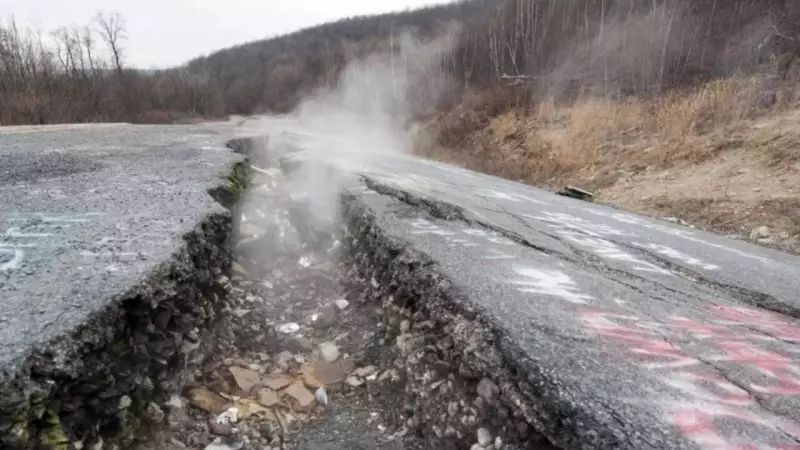
Centralia's dramatic transformation commenced in 1962 when a routine trash fire at a local landfill accidentally ignited the extensive coal seams lying beneath the settlement. Despite numerous attempts to quell the flames, firefighting efforts proved futile as the blaze propagated through abandoned mine tunnels crisscrossing the subsurface. Over subsequent years, carbon monoxide infiltration into residential structures, sudden sinkhole formations, and dangerously elevated ground temperatures created an increasingly hazardous environment.
After multiple expensive and unsuccessful containment initiatives spanning decades, authorities reluctantly acknowledged that the underground conflagration might persist for centuries. As living conditions deteriorated beyond repair, state and federal agencies implemented voluntary buyout programs for remaining inhabitants. The majority of families accepted relocation offers, leading to the town's official condemnation by the early 1990s.

From Industrial Town to Ghost Settlement
Systematic demolition erased nearly all structures—homes, educational institutions, and commercial establishments vanished from the landscape. While street patterns remained visible, Centralia evolved into a haunting ghost town, its identity equally shaped by physical absence and the persistent thermal activity simmering below ground level.
Nature's Unplanned Reclamation Project
In the remarkable absence of human pressure, an unexpected ecological renaissance has gradually unfolded across Centralia's abandoned terrain. Where residential neighborhoods once stood, expansive grasslands, resilient shrubs, and young tree saplings now dominate the scenery. Former community spaces have slowly metamorphosed into open meadows and incipient woodlands, with the original street grid becoming increasingly obscured beneath thriving vegetation layers.
With vehicular traffic eliminated, structures removed, and human interference minimized, the land has experienced prolonged periods of undisturbed tranquility. This environmental quietude has enabled plant species to establish robust footholds in soils previously compacted by infrastructure development. Wildflower varieties, hardy grass species, and young trees now flourish in areas once dominated by concrete foundations and asphalt roadways.
Wildlife Returns to Reclaimed Spaces
Insect populations were the initial returnees, followed by diverse bird species and small mammals attracted by emerging food sources and natural shelter opportunities. What was historically perceived as merely a toxic, abandoned industrial landscape has progressively acquired characteristics resembling an accidental nature preserve—shaped not by deliberate conservation strategies or restoration projects, but purely through prolonged human absence.
Why Human Resettlement Remains Impossible
The subterranean fire continues its relentless burn beneath Centralia's surface. In specific zones, steam still escapes through ground fissures, particularly following precipitation events. These persistent danger indicators serve as constant reminders that the area remains unsuitable for redevelopment initiatives. While terrestrial ecosystems have demonstrated remarkable adaptability above the burning coal seams, the underlying hazards continue dictating the town's long-term prospects.
Despite observable landscape recovery, Centralia experiences no meaningful human repopulation. Reconstruction remains strictly prohibited, with the handful of remaining residents representing exceptional cases rather than indicators of community revival. The settlement's destiny remains tied to ongoing monitoring and containment protocols rather than prospects for permanent human habitation restoration.

Environmental Lessons from Industrial Aftermath
Centralia's narrative has evolved beyond mere industrial catastrophe documentation. The town's experience now illustrates how landscapes can undergo profound transformation when anthropogenic pressures diminish. While the underground fire persists unabated and the community remains unsaved in conventional terms, biological life has discovered unexpected avenues for resurgence.
Following generations of destruction driven by industrial activity and subsequent abandonment, Centralia stands as a contemplative testament to nature's resilience—demonstrating how ecological systems frequently reclaim spaces when human populations depart, even in locations previously considered irreversibly damaged beyond recovery.