The Indian government is planning to set up an early warning system for 60 high-risk glacial lakes across the country, as part of efforts to mitigate potential flood disasters exacerbated by heatwaves and climate change. This initiative comes in the wake of increasing glacial lake outburst floods (GLOFs) in the Himalayan region, which have caused significant damage to life and property in recent years.
Understanding Glacial Lake Outburst Floods
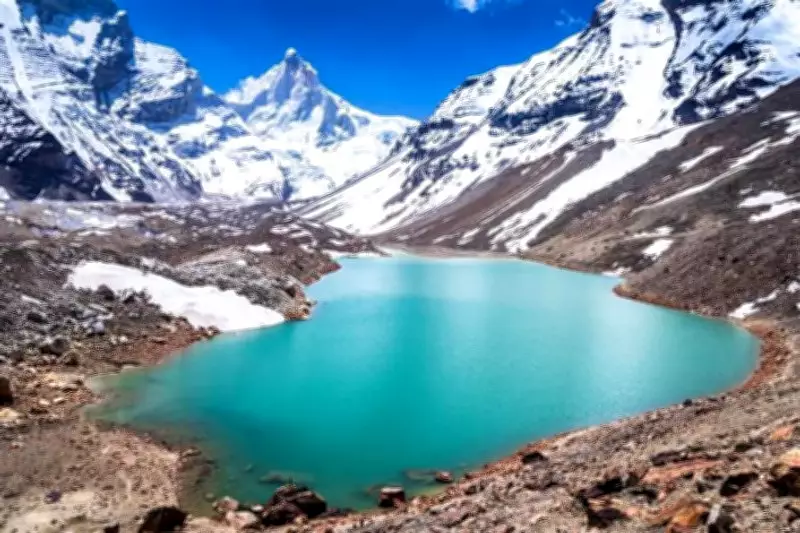
Glacial lakes are formed when glaciers melt and water accumulates in depressions left behind by retreating ice. These lakes are often dammed by ice or moraine (debris) that can be unstable. A glacial lake outburst flood occurs when the dam fails, releasing a sudden and massive volume of water downstream. Such floods can be catastrophic, sweeping away infrastructure, farmlands, and settlements.
Climate change has accelerated glacier melting, leading to the formation of new glacial lakes and the expansion of existing ones. This increases the risk of GLOFs, especially during heatwaves that can trigger rapid melting and destabilize lake dams.

High-Risk Lakes Identified
The Central Water Commission (CWC) has identified 60 glacial lakes in the Himalayan states, including Uttarakhand, Himachal Pradesh, Sikkim, and Arunachal Pradesh, that are at high risk of breaching. These lakes have been prioritized for the installation of early warning systems, which will include sensors to monitor water levels, temperature, and dam stability, as well as automated alerts to local authorities and communities.
Key Features of the Early Warning System
- Real-time monitoring of water levels and weather conditions
- Automated alerts via SMS, sirens, and mobile apps
- Community-based disaster preparedness training
- Integration with national disaster management systems
Heatwave Concerns Amplify Risks
Heatwaves have become more frequent and intense in India, particularly in the Himalayan region. High temperatures accelerate glacier melting, increasing the volume of water in glacial lakes and putting pressure on their dams. The combination of heatwaves and monsoon rains can trigger sudden floods, making early warning systems crucial for saving lives.
In 2021, a GLOF in Uttarakhand's Chamoli district killed over 200 people and damaged two hydroelectric projects. The disaster highlighted the need for better monitoring and warning systems. The new initiative aims to prevent such tragedies by providing timely alerts to communities downstream.
Implementation and Timeline
The project will be implemented in phases over the next two years. The first phase will cover 20 lakes, with the remaining 40 to be covered in the second phase. The CWC will collaborate with state governments, the Indian Space Research Organisation (ISRO), and the National Disaster Management Authority (NDMA) to deploy the systems.
Challenges and Solutions
- Remote Locations: Many high-risk lakes are in remote, inaccessible areas. Solar-powered sensors and satellite communication will be used to overcome this challenge.
- Data Gaps: Historical data on glacial lakes is limited. ISRO's satellite imagery will help create baseline data for monitoring.
- Community Awareness: Local communities need to be educated about GLOF risks and response procedures. Training programs will be conducted in local languages.
Broader Climate Adaptation Efforts
The early warning system is part of India's broader climate adaptation strategy. The government has also launched initiatives to reduce greenhouse gas emissions, promote renewable energy, and enhance disaster resilience. The National Action Plan on Climate Change (NAPCC) includes specific programs for the Himalayan ecosystem.
Experts emphasize that while early warning systems are essential, long-term solutions must address the root causes of climate change. They call for global cooperation to reduce emissions and limit global warming. In the meantime, the focus remains on protecting vulnerable communities from the immediate dangers of glacial lake floods.

With the new system, India aims to set a precedent for other countries facing similar threats from glacial lakes. The success of the project could serve as a model for disaster risk reduction in mountainous regions worldwide.