CEPT University's CWAS Launches Guidebook on Climate-Resilient Water and Sanitation Services
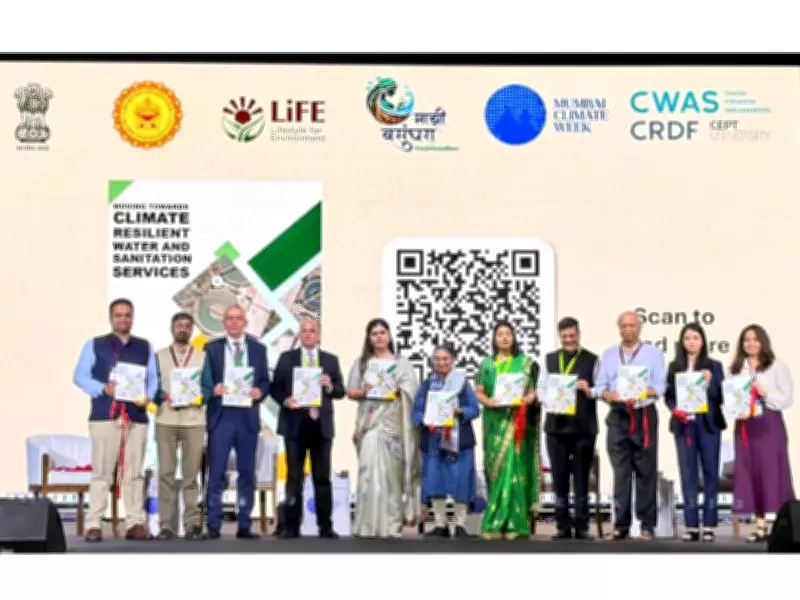
A significant guidebook aimed at enhancing climate resilience in water and sanitation services was officially launched during the Mumbai Climate Week. The publication, developed by the Centre for Water and Sanitation (CWAS) at CEPT University in Ahmedabad, provides detailed strategies and practical frameworks for building robust infrastructure capable of withstanding climate-related challenges.
Key Features of the Guidebook
The guidebook serves as a comprehensive resource for policymakers, urban planners, and water management professionals. It outlines methodologies to assess vulnerabilities in existing water and sanitation systems and offers innovative solutions to integrate climate adaptation measures. The focus is on ensuring sustainable access to clean water and effective sanitation, even under extreme weather conditions such as floods, droughts, and rising temperatures.
Importance of Climate Resilience in Water Management
With climate change posing increasing threats to urban infrastructure, the need for resilient water and sanitation services has become critical. This guidebook addresses gaps in current practices by promoting proactive planning and community engagement. It emphasizes the integration of green infrastructure, efficient resource management, and technological advancements to mitigate risks and enhance service delivery.

Launch at Mumbai Climate Week
The launch event at Mumbai Climate Week provided a platform for experts to discuss the guidebook's implications for India's urban development. Attendees included representatives from government agencies, environmental organizations, and academic institutions, highlighting the collaborative effort required to implement climate-resilient strategies. The guidebook is expected to influence national policies and local initiatives, contributing to broader climate action goals.
Future Applications and Impact
The guidebook by CWAS is designed to be adaptable for various regions across India, offering scalable solutions that can be tailored to specific local needs. It includes case studies and best practices from successful projects, providing a roadmap for cities to enhance their water and sanitation resilience. By fostering innovation and sustainability, this initiative aims to secure water resources for future generations while addressing immediate climate vulnerabilities.