

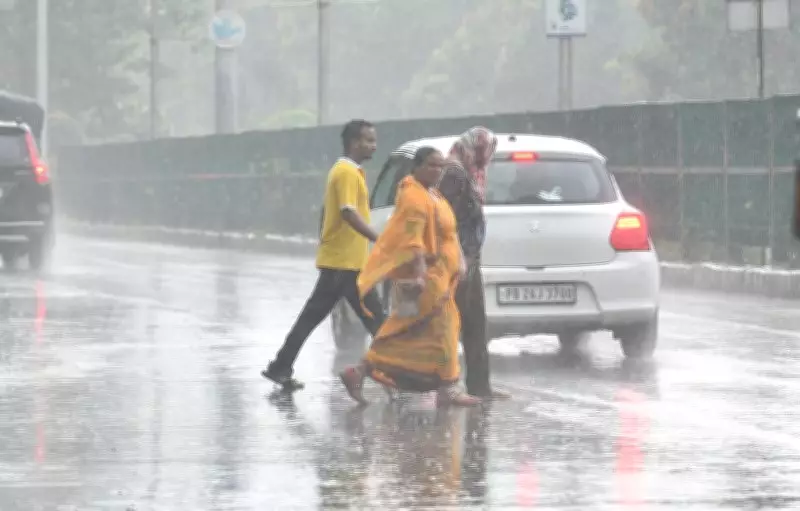
Chandigarh Braces for Severe Weather with Orange Alert Issued
The Chandigarh administration has declared an orange alert for the city, anticipating severe weather conditions triggered by a fresh western disturbance. This meteorological event is forecasted to impact the region on March 29 and 30, bringing a combination of hail, gusty winds, and thunderstorms that could disrupt normal activities and pose risks to residents.
Details of the Western Disturbance and Forecast
According to meteorological reports, a new western disturbance is approaching from the west, expected to intensify over Chandigarh and surrounding areas. This system is likely to result in:
- Hailstorms: Pellets of ice may fall, potentially damaging crops, vehicles, and infrastructure.
- Gusty Winds: Winds with speeds reaching up to 40-50 km/h could uproot trees and cause power outages.
- Thunderstorms: Accompanied by lightning, increasing safety hazards for outdoor activities.
The orange alert, which signifies a high level of warning, advises residents to take precautionary measures. Authorities have urged people to stay indoors during the peak periods, secure loose objects, and avoid travel unless necessary. Emergency services are on standby to respond to any incidents arising from the adverse weather.

Impact on Daily Life and Preparedness Measures
The anticipated weather conditions are set to affect various aspects of daily life in Chandigarh. Schools and offices might consider adjusting schedules, while transportation services could face delays due to reduced visibility and slippery roads. Farmers in the region are particularly concerned, as hail can devastate crops during this critical growing season.
Local authorities have activated disaster management protocols, including setting up helplines and deploying teams to monitor the situation. Residents are encouraged to follow official updates from the India Meteorological Department (IMD) and local news sources for real-time information. This alert follows a pattern of increasing extreme weather events in the region, highlighting the need for robust preparedness and climate resilience strategies.






