Chennai Grapples with Severe Air Pollution After Bhogi Burnings
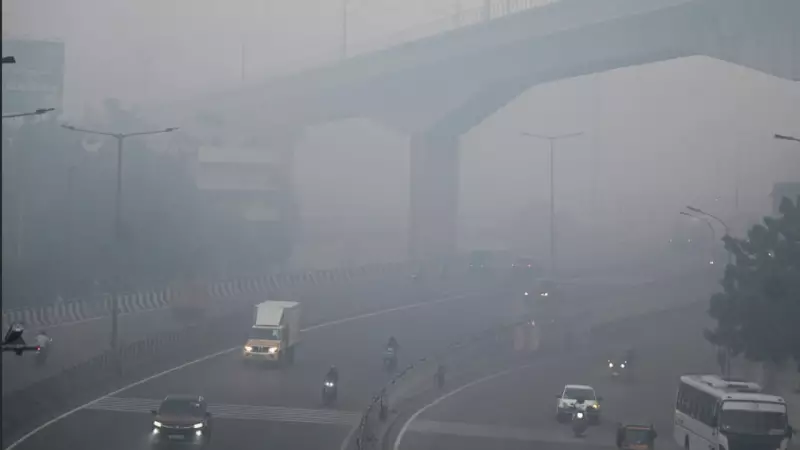
Bhogi festival burnings significantly worsened air quality across Chennai. The city witnessed a sharp spike in pollution levels on Bhogi day. Perungudi zone, home to a major dumpyard, emerged as the worst affected area.
Air Quality Index Soars in Key Localities
Perungudi recorded a very poor Air Quality Index (AQI) of 273. Valasaravakkam followed with an AQI of 207. Particulate matter PM2.5 and PM10 levels nearly tripled in these localities. These fine particles became the prominent pollutants during the festival.
All other city zones logged moderate AQI readings. However, Chennai's situation remained better than Delhi. The national capital recorded a very poor AQI exceeding 350 across all monitoring stations.

Comparison with Previous Year Shows Deterioration
Compared to last year's Bhogi, air quality has deteriorated significantly. In 2023, rain washed out pollutants and brought Chennai's AQI down to 99. This year, the city's average air quality slipped to a moderate AQI of 188.5.
Moderate AQI can cause breathing discomfort for people with lung disease, asthma, or heart conditions. The pollution posed health risks for vulnerable residents.
Flight Operations Disrupted Due to Poor Visibility
Visibility at key locations like the airport dropped to just 300 meters between 7 am and 8:30 am. This severely disrupted flight operations during the morning hours. Wind speeds fell to 5.5 kmph, exacerbating the pollution buildup.
Visibility improved gradually later in the day as conditions changed. However, the morning disruption highlighted the immediate impact of Bhogi burnings.
TNPCB Takes Action Amid Public Non-Compliance
TNPCB chairperson M Jayanthi reported that agency officials conducted night patrols in and around Chennai with police assistance. Despite awareness drives, people continued burning items in some areas.
"The mindset of the people should change," Jayanthi emphasized. "They should stop burning tyres and old clothes on Bhogi." Her statement underscored the need for behavioral shift among residents.
Environmentalists Call for Better Monitoring
Environmentalists criticized comparisons with Delhi as misplaced. M Vetriselvan, member of Poovulagin Nanbargal, argued that while Delhi fares worse, Chennai performs equally poorly in air quality management.
"Moreover, there is no transparency in the manual sampling data," Vetriselvan stated. "The government should increase the number of real-time monitoring stations for the public to track data regularly." His comments highlighted demands for improved pollution tracking infrastructure.
TNPCB's Assessment Methodology
TNPCB assessed air quality manually for 24 hours through 15 stations covering all city zones. The pre-Bhogi assessment ran from 8 am on January 10 to 8 am on January 11. The Bhogi day assessment covered 8 am on January 13 to 8 am on January 14.
This comprehensive monitoring provided data on pollution spikes during the festival period. The results clearly showed the impact of traditional burning practices on urban air quality.