

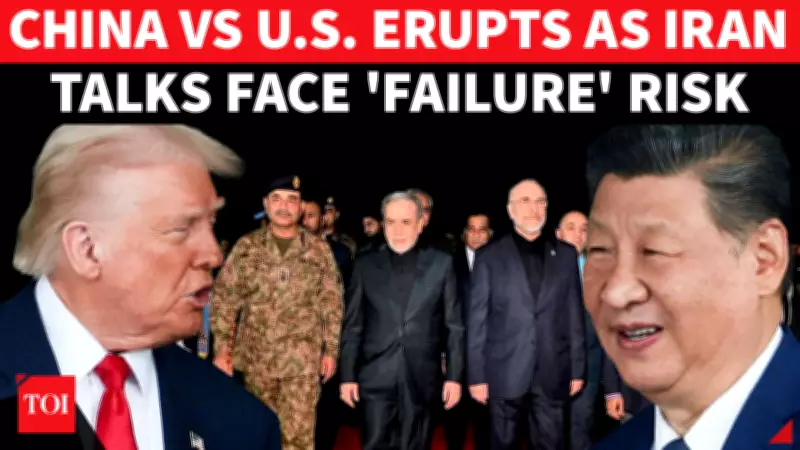
China Accused of Boosting Iran's Air Defense Amid Fears of Ceasefire Breakdown
Amid a fragile and tenuous ceasefire in the Middle East, shocking new intelligence reports have emerged, accusing China of preparing to significantly bolster Iran's military capabilities. According to an exclusive CNN report citing multiple high-level US intelligence sources, Beijing is expected to deliver advanced new air defense systems to Tehran within the coming weeks. This development has sent alarm bells ringing across diplomatic circles, raising profound fears of a renewed and potentially catastrophic escalation in regional tensions.
Intelligence Claims Point to Covert Military Support
The intelligence suggests that Iran is actively using the current pause in hostilities to rebuild and reinforce its military strength, with substantial support from key global partners. The report indicates that China may be planning to route these sensitive military shipments through third countries in a deliberate effort to conceal their true origin and circumvent international scrutiny. This covert strategy underscores the high-stakes nature of the alleged arms transfer and its potential to destabilize the already volatile region.
The Threat of MANPADS: A Major Asymmetric Weapon
At the heart of this controversy are MANPADS—Man-Portable Air-Defense Systems. These are shoulder-fired, heat-seeking anti-air missile systems designed to target low-flying aircraft such as helicopters, drones, and fighter jets. Intelligence analysts consider these portable weapons a major asymmetric threat due to their mobility, ease of use, and lethal effectiveness. It is reported that similar systems were used by Iranian forces to successfully bring down a sophisticated US F-15 fighter jet during the recent conflict, highlighting their dangerous potency on the modern battlefield.

The potential delivery of such systems from China to Iran represents a significant escalation in military aid. It not only enhances Iran's defensive and offensive capabilities but also signals a deepening strategic partnership between Beijing and Tehran that could alter the balance of power in the Middle East. This move comes at a critical juncture, as diplomatic efforts to sustain the ceasefire and negotiate a longer-term peace remain precarious and fraught with uncertainty.
Broader Implications for Regional and Global Security
The intelligence revelations have sparked intense concern among Western allies and regional powers. The prospect of Iran acquiring advanced air defense technology during a ceasefire period is viewed as a direct challenge to stability. It raises urgent questions about the sustainability of the truce and the willingness of all parties to engage in good-faith diplomacy. Furthermore, China's alleged involvement complicates the international response, intertwining great power competition with regional conflict dynamics.
As the situation develops, global observers are closely monitoring for any confirmation of these shipments and the potential reactions from the United States, Israel, and other stakeholders. The coming weeks will be crucial in determining whether this intelligence leads to a new phase of confrontation or if diplomatic channels can prevail to de-escalate tensions and preserve the fragile peace in the Middle East.






