

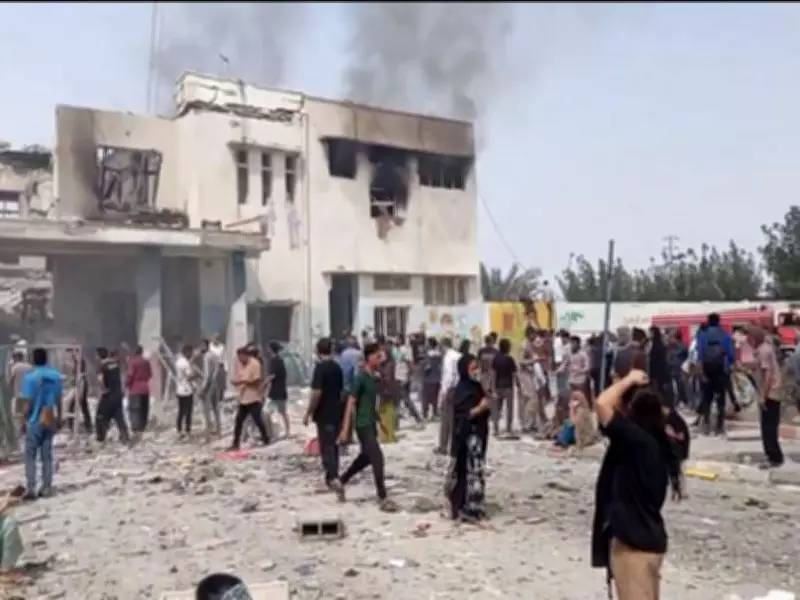
China, Russia, and India Issue Joint Call for De-escalation in West Asia
In a significant diplomatic move, the major global powers of China, Russia, and India have come together to voice their shared apprehension regarding the intensifying conflict in West Asia. The three nations, each with substantial geopolitical influence, have emphasized the urgent need for restraint and peaceful resolution through diplomatic channels.
Unified Stance on Regional Stability
The collective statement highlights a rare moment of alignment among these key players, who often have divergent interests on the world stage. They underscored that the ongoing escalation poses a severe threat to regional and international security, potentially destabilizing neighboring areas and impacting global economic stability.
Key concerns raised include:

- Humanitarian crises resulting from prolonged hostilities.
- Risks of the conflict spreading beyond current borders.
- Negative implications for international trade and energy supplies.
Emphasis on Dialogue and Diplomacy
China, Russia, and India have jointly urged all involved parties to immediately cease hostilities and engage in constructive dialogue. They advocate for a diplomatic framework that addresses the root causes of the conflict, promoting long-term peace rather than temporary ceasefires.
The nations stressed that military solutions are unsustainable and that only through negotiated settlements can lasting stability be achieved. This call aligns with broader international efforts to mediate in the region, though it carries added weight given the combined diplomatic heft of these three countries.
Implications for Global Geopolitics
This unified stance may signal a shift in how major powers approach regional conflicts, prioritizing collective diplomacy over unilateral actions. It also reflects growing recognition that conflicts in West Asia have far-reaching consequences, necessitating coordinated international responses.
Observers note that while China, Russia, and India have differing bilateral relationships with West Asian nations, their joint statement demonstrates a common interest in preventing further escalation. This could pave the way for more collaborative peace initiatives in the future.
The appeal for dialogue and diplomacy comes at a critical juncture, as the conflict shows signs of worsening. The international community will be watching closely to see if this tripartite call influences the actions of warring factions and leads to tangible de-escalation efforts.






