US Intelligence Report Accuses China of Supplying Military Technology to Iran
A recent report from the United States intelligence community has made serious allegations against China, claiming that the country has been supplying Iran with advanced military technology. According to the findings, this assistance includes deadly drones, sophisticated satellite navigation systems, missile fuel, and various chemicals that could be used in weapons development. The report, dated March 18, 2026, highlights growing concerns over China's role in bolstering Iran's military capabilities, which could have significant implications for regional stability and global security.
Details of the Alleged Transfers
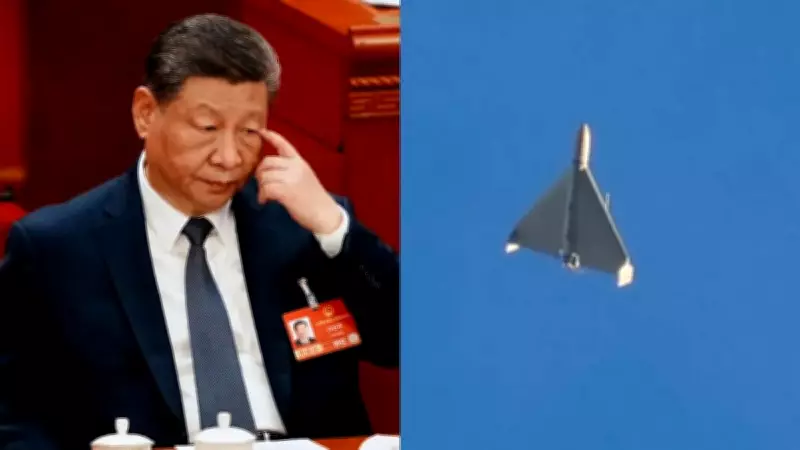
The US report specifies that China provided Iran with unmanned aerial vehicles (UAVs), commonly known as drones, which are capable of carrying out lethal operations. These drones are equipped with advanced features that enhance their precision and effectiveness in combat scenarios. In addition to the drones, China is accused of supplying satellite navigation systems that improve targeting accuracy for Iranian missile systems. This technology is critical for modern warfare, as it allows for more precise strikes and better coordination on the battlefield.
Furthermore, the report mentions the transfer of missile fuel and chemicals that are essential for the production and maintenance of ballistic missiles. These materials are often dual-use, meaning they can have both civilian and military applications, but in this context, they are believed to be intended for Iran's missile program. The allegations suggest that China's support has enabled Iran to advance its missile technology, potentially increasing the range and payload of its weapons systems.
Implications for International Relations
This development comes at a time of heightened tensions between the United States and Iran, as well as ongoing disputes between China and the US over various geopolitical issues. The report could strain diplomatic relations further, as the US may view China's actions as a violation of international norms and sanctions aimed at curbing Iran's military ambitions. It also raises questions about China's compliance with global non-proliferation agreements and its commitment to preventing the spread of weapons technology.
Experts warn that such transfers could destabilize the Middle East, where Iran is already involved in proxy conflicts and regional rivalries. The enhanced military capabilities might embolden Iran to take more aggressive actions, potentially leading to increased conflict in the area. Additionally, this could prompt other nations to reassess their security strategies and alliances in response to the shifting balance of power.
Responses and Future Outlook
While China has not officially responded to the allegations at the time of the report, similar claims in the past have been met with denials or assertions that such transfers are for peaceful purposes. The US, on the other hand, is likely to use this report to justify further sanctions or diplomatic pressure on both China and Iran. International bodies, such as the United Nations, may also be called upon to investigate and address these concerns.
Looking ahead, this situation underscores the complex interplay between global powers and their strategic interests. As technology continues to evolve, the proliferation of advanced military equipment remains a critical challenge for international security. Monitoring and regulating such transfers will be essential to prevent escalation and maintain peace in volatile regions.