Villagers in Northern China Face Winter Heating Crisis Amid Clean Air Push
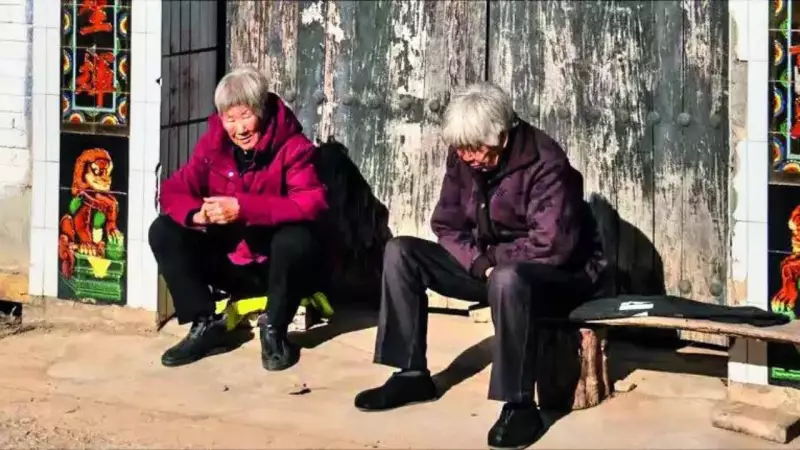
Dong Tongzhou stood in his village square wrapped in a tattered coat. The temperature hovered around 28 degrees, but he had turned off his home heating system. Like other elderly residents in Quyang county, Hebei province, he was trying to soak up whatever warmth the midday sun could provide.
From Coal to Natural Gas: A Costly Transition
Dong, a 68-year-old retired farmer and former soldier, explained his situation. For years, he warmed his home by burning coal like most villagers in northern China. Then the government banned residential coal burning in 2017 to combat the severe air pollution that regularly choked Beijing and surrounding regions.
The authorities offered natural gas as a cleaner alternative. This replacement came with a steep price tag - natural gas heating could cost three times as much as coal. To save money, Dong developed a new winter routine: sunbathing for warmth whenever possible.

"If it gets even more expensive, then I'll stop using it," Dong said about his natural gas heating. He spends about 1,000 yuan (approximately $143) each winter to heat his home. This represents over a third of his monthly pension of 800 yuan.
Subsidy Cuts Worsen the Situation
Across Hebei province, which encircles China's capital Beijing, villagers confront the full economic impact of the country's ambitious clean air campaign. Initially, local governments eased the transition by subsidizing natural gas installations and usage.
This winter brought a significant change. Subsidies have been substantially reduced or eliminated entirely, leaving many rural residents struggling to afford adequate heating.
Reports have circulated on Chinese social media about villagers:
- Huddling under multiple blankets for warmth
- Secretly burning firewood despite bans
- Spending hours outdoors during daylight to avoid turning on heating systems
Many of these reports faced censorship as China's air quality improvements remain a political priority. Meanwhile, Beijing officials celebrate their environmental achievements.
Beijing's Blue Sky Victory Contrasts with Rural Struggles
Last week, Beijing announced it recorded only one day of heavy pollution in 2025. This represents a 98% drop compared to 2013 levels. Officials hailed this improvement as proof of success in their "blue sky defence war."
The celebration contrasts sharply with realities in surrounding villages. Poorer villagers often pay more for heating than city residents. Media reports indicate gas prices per cubic meter in Hebei run 10% to 20% higher than in Beijing or Tianjin.
This disparity creates what experts call an energy poverty gap between urban and rural populations during harsh northern winters.
Renewable Energy Presents Future Solutions with Current Barriers
Deborah Seligsohn, a professor at Villanova University, explained the long-term solution likely involves renewable energy rather than natural gas. "China is already the world's leading producer of solar and wind power," she noted.
As renewable power becomes cheaper, electric devices like heat pumps could replace gas boilers and coal furnaces. This transition would cut emissions and eventually reduce costs. Seligsohn emphasized that the villagers' plight doesn't prove China's green transition must come at ordinary people's expense.
"This is an issue with inconsistent policy: They had subsidies and they got rid of them," she observed.
However, renewable solutions face immediate practical barriers. Wang, a heat store employee, explained that installing a heat pump requires a large upfront payment exceeding $2,800. The government offers no subsidies for these installations.
This cost proves prohibitive for many villagers, especially those who already struggle to afford natural gas heating. As Wang noted, "many won't even turn on their gas" due to cost concerns, making expensive heat pump installations unrealistic.
The situation highlights the complex challenges of environmental policy implementation. While air quality improvements benefit millions in urban areas, rural residents bear disproportionate costs during the transition period.