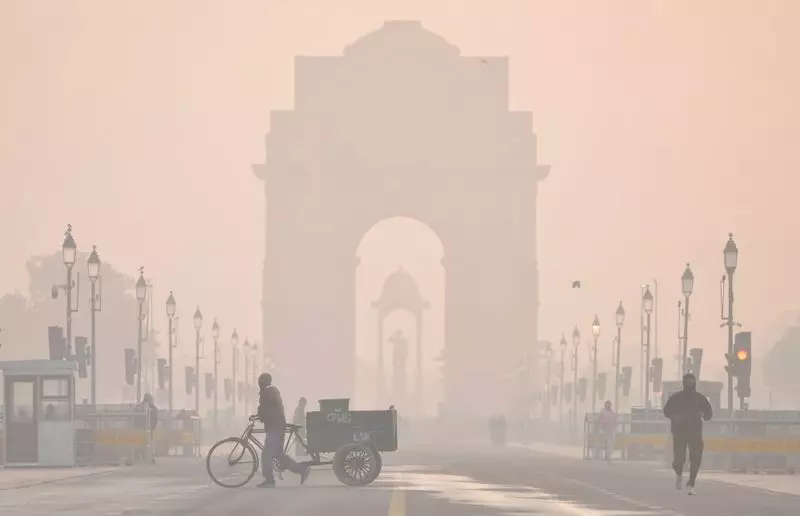
For years, the dense, toxic smog that engulfs Delhi every winter has been largely blamed on farmers in neighbouring states burning crop residue. However, a closer look at official data presents a more nuanced and complex picture, suggesting the role of farm fires is often overstated in public discourse.
What the Numbers from CAQM Actually Show
The Commission for Air Quality Management (CAQM), the statutory body tasked with managing air quality in the National Capital Region, provides daily data on the contribution of stubble burning to Delhi's pollution. An analysis of this data for the peak pollution period from October 29 to November 7, 2024, reveals a surprising trend. The share of farm fires in Delhi's PM2.5—the most harmful particulate matter—remained consistently low, ranging between 4% and 10% on most days.
This figure is a far cry from the dominant narrative that paints stubble burning as the primary villain. On November 7, for instance, the contribution was a mere 6%. Even on a day with a significant number of fire counts, November 4, the contribution peaked at only 10%. This data forces a critical re-evaluation of the factors behind the capital's annual air quality emergency.

The Persistent Local Factors Behind the Smog
If farm fires are not the dominant cause, what is choking Delhi? Experts and the data point towards local and perennial sources of pollution that form the city's toxic baseline. These include vehicular emissions, dust from construction and roads, industrial pollution, and the burning of garbage and biomass within the city itself.
These sources operate year-round but become particularly problematic in winter due to meteorological conditions. The real crisis begins when this already polluted air gets trapped. Calm winds and low temperatures lead to a phenomenon called temperature inversion, where a layer of warm air acts like a lid, preventing the dispersal of pollutants. This causes a rapid accumulation of toxins, leading to the severe smog episodes Delhi experiences.
Why Farm Fires Grab Headlines and the Policy Challenge
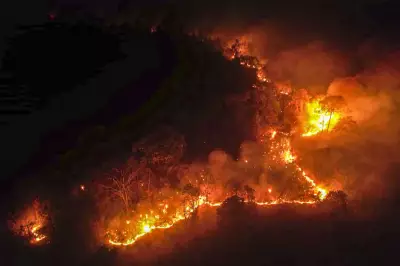
The phenomenon of stubble burning, while a smaller contributor in percentage terms, remains a highly visible and seasonal trigger. The large plumes of smoke from thousands of fires in Punjab and Haryana are captured dramatically by satellites and make for compelling imagery. This visibility, coupled with its timing at the onset of winter, has cemented its place as the go-to explanation for the smog.
However, overemphasizing farm fires risks diverting attention and policy focus from the harder-to-tackle local sources in Delhi and the wider NCR. Addressing vehicular pollution, controlling construction dust, managing waste, and transitioning to cleaner industries require sustained, complex, and often politically challenging interventions within the urban sphere.
The data underscores that there is no single magic bullet for Delhi's pollution. A comprehensive, multi-pronged strategy is essential—one that continues to support farmers in finding alternatives to stubble burning while aggressively and relentlessly tackling the city's own emissions. Only by acknowledging the full spectrum of causes can effective and lasting solutions be implemented to clear the capital's air.