

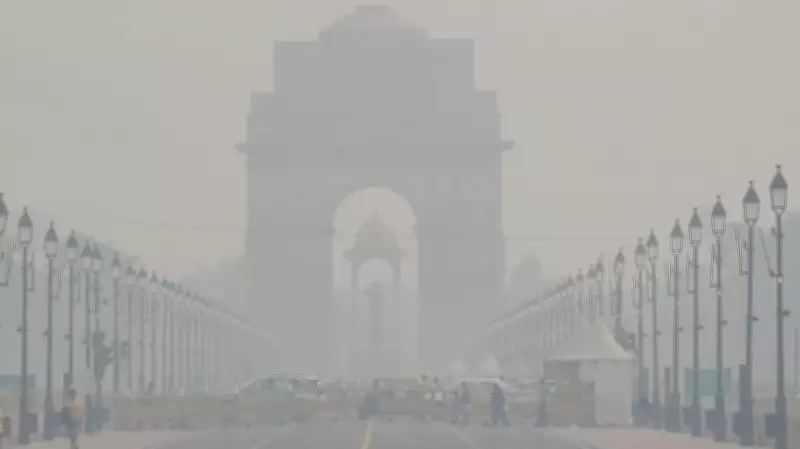
Delhi's Air Quality Persists in 'Poor' Category, AQI Records 225
According to the latest data from the Central Pollution Control Board's (CPCB) SAMEER application, the air quality in Delhi continues to be classified as 'poor', with the Air Quality Index (AQI) standing at 225. This persistent poor air quality highlights ongoing environmental challenges in the national capital, raising concerns for public health and daily life.
Monitoring Station Data Reveals Widespread Pollution
The CPCB's monitoring network provides a detailed breakdown of air quality across the city. Out of the stations tracked, 25 have recorded air quality falling into the 'poor' category, indicating significant pollution levels that can cause breathing discomfort to most people on prolonged exposure. In contrast, 14 stations reported air quality in the 'moderate' category, which, while better, still poses a risk to sensitive individuals. This distribution underscores the uneven but prevalent nature of air pollution in Delhi, affecting various neighborhoods differently.
Key factors contributing to the poor air quality include vehicular emissions, industrial activities, and seasonal conditions such as low wind speeds and temperature inversions. Authorities often implement measures like the Graded Response Action Plan (GRAP) to mitigate pollution during such periods, but the latest data suggests that more sustained efforts may be needed to achieve long-term improvements.

Residents are advised to take precautions, such as limiting outdoor activities, using air purifiers, and wearing masks, especially during peak pollution hours. The ongoing situation serves as a reminder of the urgent need for comprehensive strategies to combat air pollution in urban areas.






