

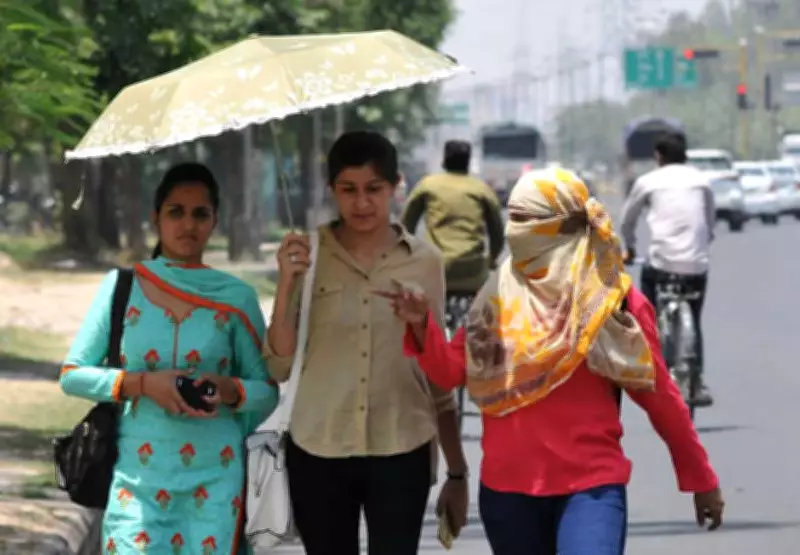
The Delhi government has announced a strengthened heat action plan, placing a renewed emphasis on identifying and mitigating thermal hotspots across the city. The updated strategy aims to enhance public safety during extreme heat events, which have become more frequent due to climate change.
Key Measures in the Revised Plan
The revised plan includes early warning systems, increased number of cool shelters, and targeted interventions in areas identified as thermal hotspots. These hotspots are zones where temperatures are significantly higher than surrounding areas, often due to lack of greenery, dense construction, or heat-absorbing materials.
Early Warning and Public Awareness
Authorities will issue color-coded alerts based on temperature forecasts, ranging from green (normal) to red (extreme). Public awareness campaigns will be intensified through social media, SMS alerts, and community outreach to educate residents on heat safety measures.

Cool Shelters and Hydration Stations
The number of cool shelters—air-conditioned public buildings like libraries, community centers, and schools—will be expanded. Additionally, hydration stations with free drinking water will be set up at strategic locations, particularly in high-risk areas.
Focus on Vulnerable Populations
Special attention will be given to vulnerable groups, including the elderly, children, outdoor workers, and homeless individuals. Mobile health units will be deployed to provide immediate medical assistance during heatwaves.
Coordination with Hospitals
Hospitals will be directed to prepare for a surge in heat-related illnesses such as heatstroke and dehydration. Emergency rooms will stock necessary supplies and train staff to handle cases effectively.
Long-term Measures
The plan also includes long-term strategies such as increasing green cover, promoting reflective roofing materials, and revising building codes to reduce heat retention. The government aims to create a heat-resilient city by integrating these measures into urban planning.
The Delhi government's proactive approach underscores the urgency of addressing heat-related risks, especially as temperatures continue to rise. Citizens are urged to follow advisories and utilize the facilities provided to stay safe during extreme heat conditions.






