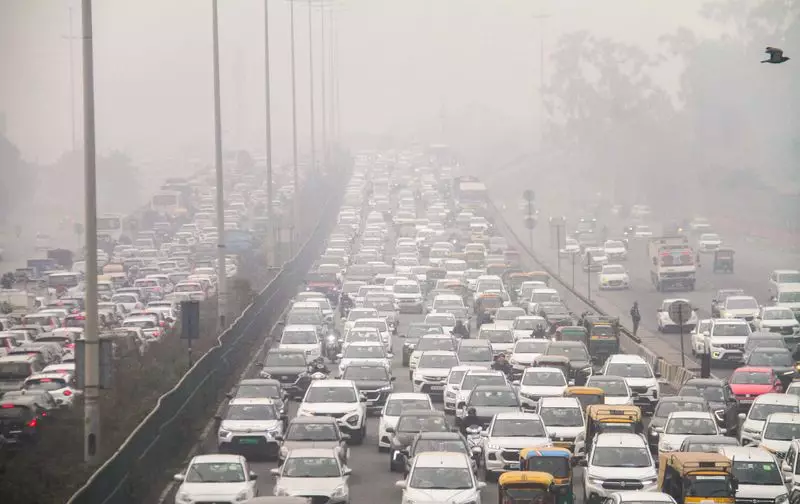
Residents of India's capital woke up to a severe chill on Wednesday, experiencing the coldest January morning the city has seen in two years. A dense layer of fog and a sharp dip in minimum temperature marked the day, while the air quality continued to languish in the 'Very Poor' category, creating a twin assault of cold and pollution.
Mercury Takes a Nosedive
The primary weather station at Safdarjung recorded a minimum temperature of 3.6 degrees Celsius, which is a significant five degrees below the season's normal average. This reading from January 24, 2024, represents the lowest minimum temperature for the month of January since 2022. Other areas across the National Capital Region (NCR) felt an even deeper freeze. The suburb of Narela was the coldest, with the mercury dropping to a biting 2.4 degrees Celsius.
Meteorologists attributed this intense cold to a combination of factors, including clear skies and calm winds during the night, which allowed heat to escape rapidly. The India Meteorological Department (IMD) had accurately predicted this cold wave condition, issuing warnings for dense fog and a notable drop in temperatures across the plains of North India.

Air Quality Remains a Major Concern
As the city grappled with the cold, its air pollution woes showed no signs of abating. The overall Air Quality Index (AQI) for Delhi was recorded in the 'Very Poor' range. According to data from the Central Pollution Control Board (CPCB), the 24-hour average AQI stood at 348. This persistent poor air quality poses serious health risks, especially for individuals with respiratory and cardiovascular conditions, exacerbating the discomfort caused by the cold wave.
Weather officials have indicated that similar cold and foggy conditions are likely to persist for the next few days. The combination of low visibility due to fog and hazardous air quality is expected to continue disrupting daily life, affecting road and rail transportation.
Impact and Advisory for Residents
The dual challenge of extreme cold and very poor air quality has significant implications for public health and daily routines. Authorities advise citizens, particularly the elderly, children, and those with pre-existing health issues, to take necessary precautions. Recommendations include:
- Limiting outdoor activities during early morning and late evening hours.
- Wearing multiple layers of warm clothing to protect against the cold.
- Using N95 or equivalent masks when venturing outside to mitigate exposure to polluted air.
- Ensuring proper ventilation indoors when using heaters.
The current weather pattern underscores the recurring winter challenges faced by Delhi, where cold wave conditions and deteriorating air quality often converge, demanding coordinated responses from both authorities and the public to safeguard health and well-being.