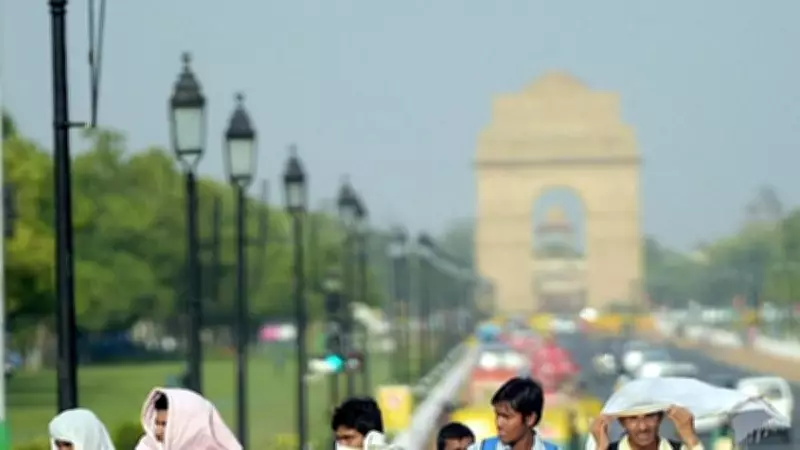
Delhi Records Hottest Day of Year as Temperatures Soar Above Normal
Delhi experienced its hottest day of the year on February 16, 2026, with maximum temperatures rising significantly above normal levels. This early and intense heatwave has raised concerns among residents and authorities alike.
Temperature Details and Meteorological Observations
The maximum temperature in Delhi soared well above the seasonal average, marking a stark deviation from typical February weather patterns. Meteorological data indicates that this spike is part of a broader trend of rising temperatures in the region.
Key observations include:

- The day's peak temperature was recorded as the highest for the year so far.
- This event occurred unusually early in the year, compared to historical norms.
- Experts attribute the rise to factors such as urban heat island effects and climate change.
Impact on Daily Life and Public Health
The sudden increase in heat has had immediate effects on daily activities and health in Delhi. Residents reported discomfort and challenges in coping with the sweltering conditions.
Public health advisories have been issued, urging people to stay hydrated and avoid prolonged exposure to the sun. Hospitals and clinics are on alert for heat-related illnesses, which tend to spike during such events.
Context and Broader Climate Trends
This heatwave is not an isolated incident but fits into a pattern of escalating temperature extremes in Delhi and across India. Climate scientists warn that such events may become more frequent and severe due to global warming.
- Historical data shows a gradual increase in average temperatures over the decades.
- Urbanization and pollution exacerbate local heating effects.
- Government and environmental groups are calling for adaptive measures to mitigate impacts.
As Delhi grapples with this early heatwave, the focus shifts to preparedness and long-term strategies to address climate resilience in the face of rising temperatures.