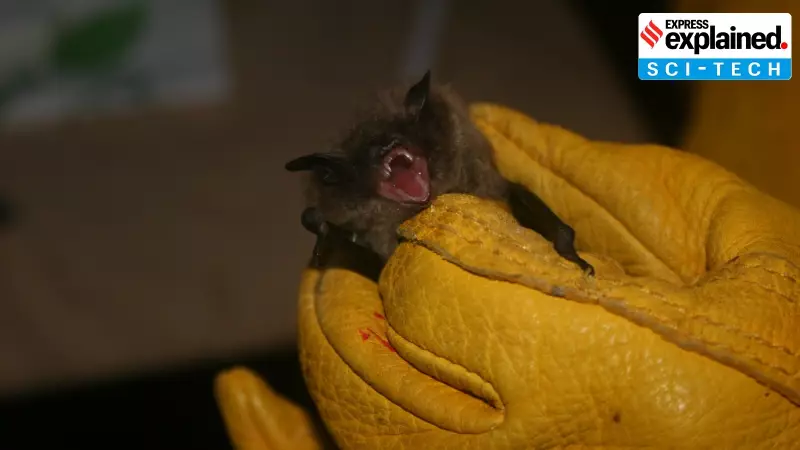
Danish Municipality Swaps White Streetlights for Red to Protect Bat Populations
A small municipality near Copenhagen in Denmark has started installing red-colored streetlights along a road known as a bat habitat. This area previously used white lighting. The change comes after Gladsaxe Municipality authorities determined that artificial white lights alter the behavior of certain bat species.
Why White Lights Harm Bats
Over the years, multiple studies have shown that white streetlights create problems for some bat species. For example, a 2009 study published in Current Biology found that lesser horseshoe bats avoid areas lit by white lights. Altering their routes makes bats more vulnerable to predator attacks.
A 2017 study in Proceedings of the Royal Society B: Biological Sciences revealed that forest-dwelling species like long-eared bats and mouse-eared bats avoid white and green lights. Their eyes are highly sensitive to bright lights.

Illuminating areas near roost sites can delay or prevent bats from emerging. Since nocturnal insect activity peaks at dusk, delayed feeding times seriously affect bat health.
The Red Light Solution
Scientists and experts recommend avoiding bright lights near bat feeding areas and roosting sites. Authorities now use red lights in such locations. The 2017 analysis studied bat activity under experimental white, green, and red LED-light conditions. It stated that long-eared bats and mouse-eared bats do not change their behavior in red light.
Kamiel Spoelstra, a co-author of the study, told Phys.org that the lack of effect from red light on both light-shy and non-light-shy species opens possibilities for limiting disruption from artificial lighting in natural areas.
This is not the first instance of color-changing streetlights for bats. In 2019, Worcestershire County Council in the United Kingdom installed 60 meters of glowing red lights to ensure bat well-being.
The Crucial Role of Bats
Bats play a vital role in ecosystems. Fruit-eating bats help with seed dispersal and pollination. Trees and plants that are poor pollinators themselves depend on bats. Insect-eating bats feed on insects harmful to humans.
However, habitat loss, global warming, and human encroachment pose severe threats to bat species worldwide. After scientists found that SARS-CoV-2, the pathogen behind the Covid pandemic, belonged to a virus family found in some horseshoe bats, some communities launched crusades to kill bats. Scientists have yet to determine how the bat infected its first victim.
The Danish initiative highlights growing efforts to balance human infrastructure needs with wildlife conservation, using simple color changes to protect vulnerable species.