

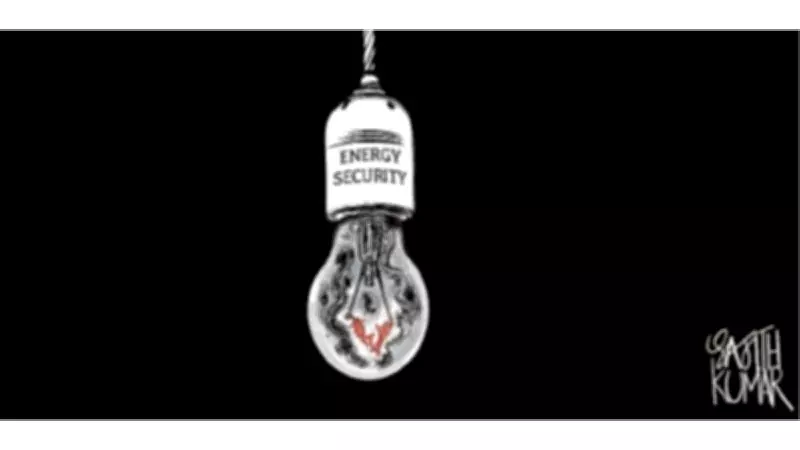
A recent cartoon published by Deccan Herald offers a sharp and humorous critique of the global lack of energy security. The illustration vividly captures the precarious state of energy dependence on fossil fuels, underscoring the urgent need for a transition to sustainable and renewable energy sources.
The Cartoon's Message
The cartoon depicts a world heavily reliant on oil and coal, with nations scrambling for energy resources amidst fluctuating prices and geopolitical tensions. It highlights how energy insecurity affects economies, politics, and daily life, from power outages to rising costs. The visual commentary suggests that without a shift to cleaner energy, the world will remain vulnerable to supply disruptions and environmental degradation.
Global Energy Landscape
Energy security remains a pressing issue worldwide. Many countries still depend on imported fossil fuels, exposing them to market volatility and geopolitical risks. The cartoon underscores the irony of abundant renewable resources like solar and wind being underutilized while nations struggle with energy shortages. It calls for accelerated investment in green technologies and infrastructure to achieve energy independence and sustainability.

Implications for Policy
The cartoon serves as a reminder for policymakers to prioritize energy diversification. Key steps include promoting renewable energy projects, enhancing grid resilience, and fostering international cooperation on energy transitions. The message resonates particularly in regions facing energy poverty or frequent blackouts, where reliable and affordable energy is critical for development.
Conclusion
In a world grappling with climate change and energy crises, the Deccan Herald cartoon effectively uses satire to draw attention to the lack of energy security. It encourages readers to reflect on the need for systemic changes, moving from fossil fuels to a more resilient and sustainable energy future. The cartoon is a call to action for governments, businesses, and individuals to embrace energy innovation and reduce dependence on finite resources.






