

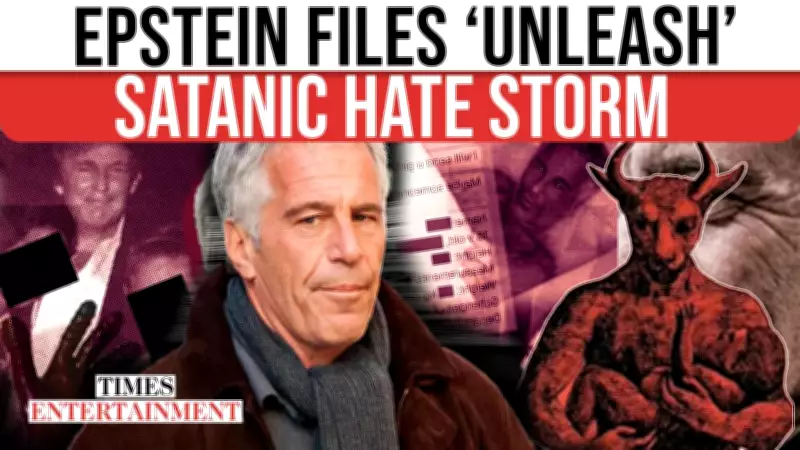
DOJ Epstein Document Release Sparks Global Wave of Antisemitic Conspiracy Theories
The Justice Department's recent release of files related to the Jeffrey Epstein case has triggered a massive explosion of antisemitic conspiracy theories across the internet. This document dump, intended to provide transparency, is instead being weaponized by extremist groups to confirm long-standing hateful narratives.
Watchdog Groups Sound Alarm on Distorted Interpretations
Multiple watchdog organizations have issued urgent warnings about the dangerous misinterpretation of emails and documents from the Epstein files. These groups emphasize that selective reading and deliberate distortion of content are fueling a surge in hate speech and misinformation. The sheer volume of released material is making it easier for bad actors to cherry-pick elements that fit pre-existing extremist ideologies.
Experts Highlight Weaponization of Document Scale
Cybersecurity and radicalization experts note that the scale of the DOJ's document release is being exploited to lend false credibility to conspiracy theories. By presenting isolated emails or names without context, online communities are constructing elaborate narratives that target specific ethnic and religious groups, particularly Jewish individuals. This process is accelerating the spread of antisemitic rhetoric on social media platforms and fringe websites.

Survivors Overshadowed by Conspiracy Culture
Critics of the online backlash express deep concern that the focus on conspiracy theories is overshadowing the experiences and voices of Epstein's survivors. As public attention shifts toward sensationalized claims about "satanic elites" or global cabals, the actual victims of abuse risk being marginalized. Advocacy groups stress the need to center survivor stories and ensure that justice efforts are not derailed by misinformation campaigns.
Urgent Concerns About Online Radicalization
The rapid spread of hateful content following the file release is raising urgent alarms about online radicalization. Law enforcement and mental health professionals warn that such environments can radicalize vulnerable individuals, leading to real-world violence. The global nature of this hate storm underscores the challenges in moderating content and protecting communities from targeted harassment.
Key developments include:
- Increased antisemitic rhetoric on major social media platforms
- Watchdog groups documenting a spike in hate group activity
- Calls for better content moderation and digital literacy initiatives
- Concerns that misinformation could impact ongoing legal proceedings
This situation highlights the complex interplay between government transparency, digital misinformation, and social stability in the modern era.






