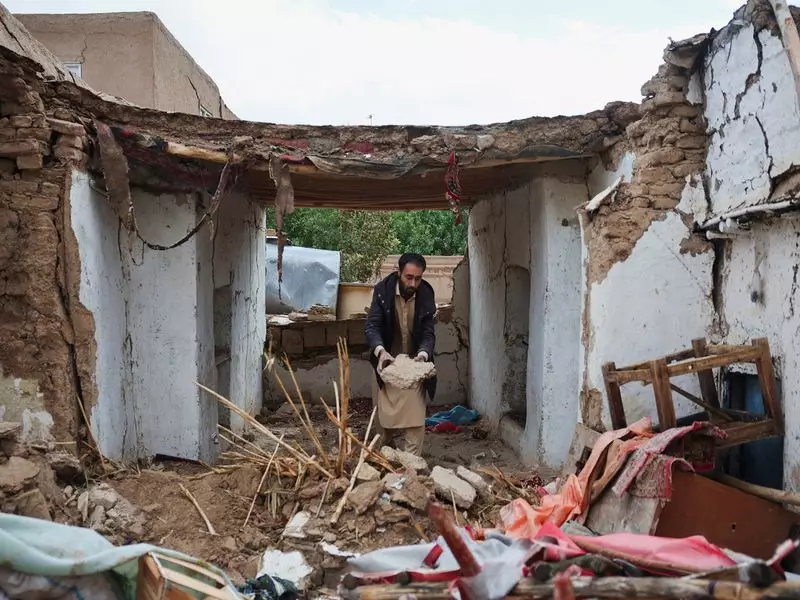
Earthquake Victims in Pakistan-Occupied Gilgit-Baltistan Left Stranded as Government Fails to Act
In a distressing development from the disputed region of Gilgit-Baltistan, currently under Pakistan's occupation, earthquake victims are reportedly left stranded and helpless due to a severe lack of government action. The aftermath of a recent seismic event has exposed critical gaps in disaster management and relief efforts, plunging local communities into a state of crisis.
Widespread Devastation and Immediate Aftermath
The earthquake, which struck with significant force, has caused extensive damage to infrastructure, homes, and essential services across Gilgit-Baltistan. Initial reports indicate that numerous villages have been severely affected, with many buildings reduced to rubble and access roads blocked by landslides. The immediate aftermath saw residents scrambling for safety, but the absence of organized rescue operations has compounded their suffering.
Eyewitness accounts describe scenes of chaos and despair, as families are forced to endure harsh weather conditions without adequate shelter or medical assistance. The region's remote and mountainous terrain has further complicated relief efforts, making it difficult for aid to reach the most vulnerable populations.

Government Inaction and Failed Relief Efforts
Critics and local activists have pointed fingers at the Pakistani authorities for their apparent failure to mobilize an effective response. Despite promises of swift action, the government's relief machinery has been slow to materialize, leaving victims to fend for themselves. This inaction has sparked outrage among the affected communities, who feel abandoned in their hour of need.
Key issues highlighted include:
- Delayed deployment of rescue teams and emergency services.
- Insufficient distribution of food, water, and medical supplies.
- Lack of temporary shelters or evacuation plans for displaced families.
- Poor coordination between local and national disaster management agencies.
The situation underscores broader concerns about governance and accountability in Pakistan-occupied territories, where residents often report neglect and marginalization.
Humanitarian Crisis Deepens
As days pass without substantial aid, the humanitarian crisis in Gilgit-Baltistan is deepening. Many victims are now facing acute shortages of basic necessities, with children and the elderly being particularly at risk. Health officials warn of potential outbreaks of diseases due to unsanitary conditions and lack of medical care.
International observers and human rights organizations have begun to take note, calling for urgent intervention to prevent further loss of life. However, geopolitical complexities and the disputed status of the region may hinder external assistance, placing the onus squarely on Pakistani authorities to step up their efforts.
Broader Implications and Future Concerns
This incident raises serious questions about disaster preparedness and response mechanisms in conflict-affected areas like Gilgit-Baltistan. Experts argue that such failures not only exacerbate immediate suffering but also erode public trust in governmental institutions.
Looking ahead, there is a pressing need for:
- Enhanced disaster risk reduction strategies tailored to mountainous regions.
- Greater transparency and accountability in relief operations.
- Strengthened local capacity to manage emergencies independently.
- International advocacy to ensure humanitarian access in disputed territories.
The stranded earthquake victims in Pakistan-occupied Gilgit-Baltistan serve as a stark reminder of the human cost of bureaucratic inertia and political neglect. As the world watches, the hope remains that swift and decisive action will be taken to alleviate their plight and rebuild shattered lives.