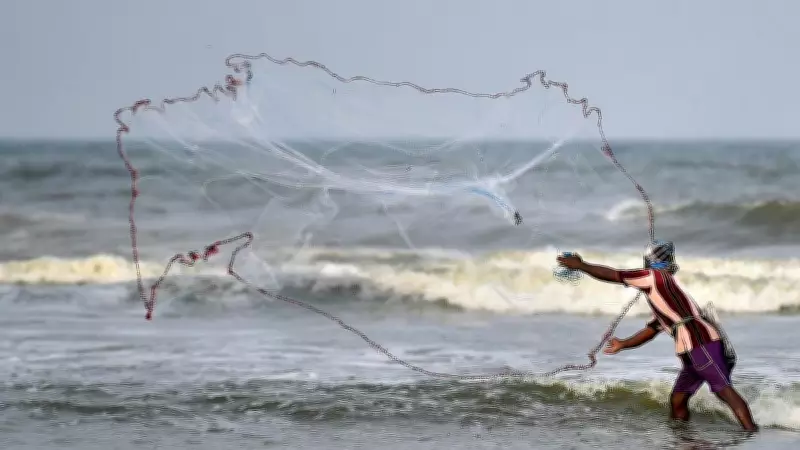
El Nino conditions are likely to affect the production of oil sardine, a key fish species in Indian waters, next year, according to scientists. These small pelagic fishes are highly influenced by environmental conditions in the sea, including temperature, salinity, and oxygen levels.
Climate Sensitivity of Oil Sardines
Oil sardines (Sardinella longiceps) are known to be sensitive to changes in sea surface temperature and other oceanographic parameters. Studies have shown that during El Nino events, the warming of the eastern Pacific Ocean alters atmospheric circulation, which in turn affects the Indian Ocean's temperature and productivity. This can lead to a decline in phytoplankton, the primary food source for sardines, thereby impacting their population.
Historical Impact and Projections
Previous El Nino years have witnessed a drop in oil sardine landings along the Indian coast. For instance, the 2015-16 El Nino event led to a significant reduction in catch. According to researchers at the Central Marine Fisheries Research Institute (CMFRI), a similar pattern is expected in the coming year if El Nino persists. The institute has been monitoring sea conditions and has noted anomalies in temperature and salinity that are unfavorable for sardine spawning and survival.

Economic Implications for Fisherfolk
The potential decline in oil sardine production could have serious economic consequences for fishing communities, especially in Kerala, Karnataka, and Maharashtra, where sardines form a major part of the catch. Small-scale fishers, who rely heavily on this species for their livelihood, may face reduced incomes. The fish is also a staple in local diets, and a shortage could lead to price hikes. According to CMFRI, the average annual oil sardine landing in India is around 2-3 lakh tonnes, but it can drop by 30-50% during strong El Nino years.
Need for Adaptive Management
Experts suggest that the fishing industry and policymakers should prepare for potential impacts by diversifying fishing targets and promoting alternative livelihoods. Improved forecasting and early warning systems can help fishers plan their activities. The Indian government, through the Fisheries Department, has been advised to monitor the situation closely and consider temporary restrictions or support measures for affected communities. Scientists also emphasize the need for long-term studies to understand the changing dynamics of the Indian Ocean under climate change scenarios.