

Tragic Elephant Attack Claims Life in Gumla District
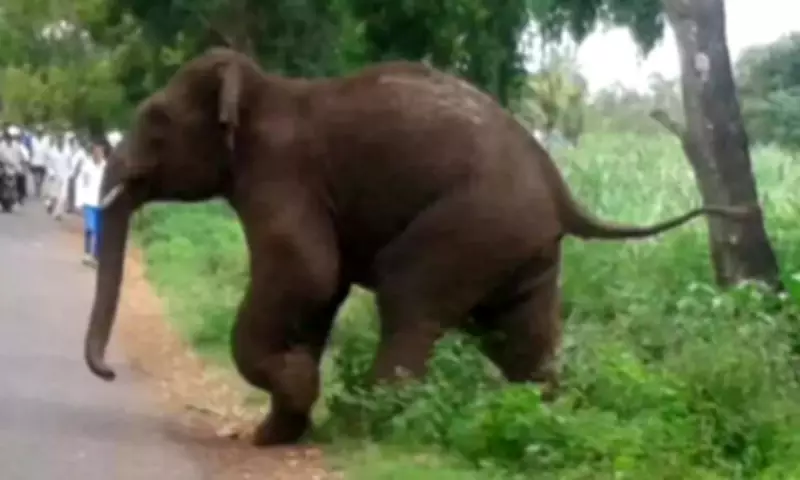
A 32-year-old man was tragically trampled to death by an elephant in the Ghagra block of Gumla district on Friday. The incident occurred when the victim, identified as Anup Kumar Pandey from Burhu village, was part of a group that had ventured into a nearby forest patch to observe the elephant.
Details of the Fatal Encounter
According to local reports, the enraged elephant charged towards the group early in the morning. While other members of the group managed to escape to safety, Pandey was unable to flee and was killed on the spot by the animal. The elephant had reportedly ventured close to the Burhu forest area from the nearby Panso village around 6:30 am.
Sanni Aftab, the local forest beat officer, stated that officials were in the process of verifying the elephant's presence when they received the distressing news of the attack. "As we moved to verify the elephant presence, we were told it killed a man," he explained.

Compensation and Official Response
In response to the tragedy, the forest department has taken immediate steps to support the affected family. An advance compensation of Rs 25,000 has been handed over, with the remaining Rs 3.75 lakh set to be paid upon completion of official formalities soon. This financial aid aims to provide some relief to the grieving relatives during this difficult time.
Rising Incidents of Human-Wildlife Conflict
This unfortunate event marks the third elephant-related fatality in Gumla forest division in 2026, following similar incidents in the Bharno and Sisai blocks earlier this year. The repeated occurrences highlight the growing challenges of human-wildlife conflict in the region, underscoring the need for enhanced safety measures and awareness programs to prevent such tragedies in the future.
Authorities are urging residents to exercise caution and avoid approaching wild animals, especially in forested areas. Efforts are being made to monitor elephant movements more closely and implement strategies to mitigate risks to human populations.






