

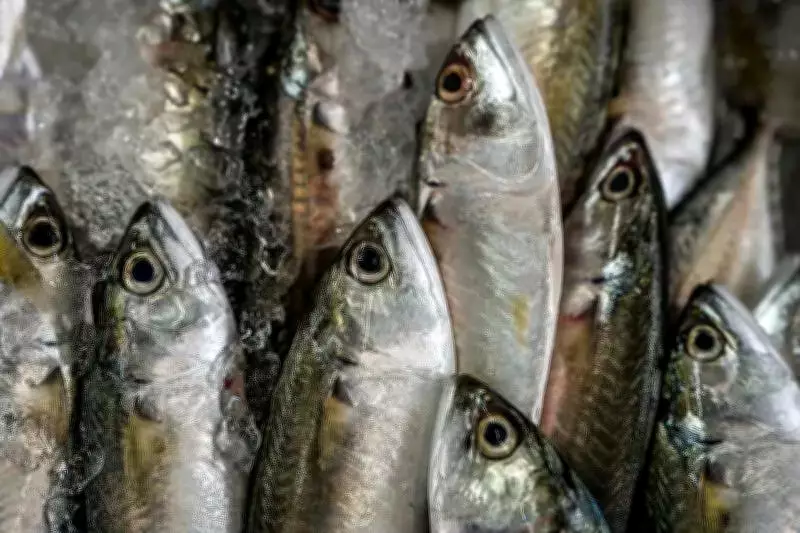
Retired Army Officer Sounds Alarm Over Mass Fish Mortality in Punjab Rivers
Environmental activist and retired Lieutenant Colonel Jasjit Singh Gill has formally petitioned the National Green Tribunal (NGT) to urgently investigate a disturbing ecological incident. A significant number of fish have perished near the confluence of the Sutlej and Beas rivers at Harike in Punjab, raising serious concerns about water quality and public health.
Call for Immediate Investigation into Toxic Contamination
In his detailed submission, Gill emphasized the critical need to determine the exact cause behind this sudden mass mortality event. He pointed out that the deaths could stem from toxic elements or hazardous chemicals being discharged into the water bodies. The Times of India initially reported this incident in its April 4 edition, bringing preliminary attention to the crisis.
Gill speculated that the fish deaths likely result from a heavy infusion of chemical cocktails by industries or industrial complexes located upstream. He drew a parallel to a previous disaster in May 2018, when an ethanol storage tank burst at a distillery on the Beas riverbanks, leading to the death of lakhs of fish and devastating marine life. To support his claims, Gill attached a video clip captured by concerned local farmers, documenting the alarming scene.

Widespread Implications for Water Supply and Public Health
The contaminated river water, which caused the fish to die on the intervening night of April 1 and 2, poses a far-reaching threat. This same water is channeled through the Sirhind Feeder canal to supply south Malwa in Punjab and via the Indira Gandhi or Rajasthan Feeder canal to seven districts in Rajasthan. Gill stressed that it is imperative to investigate the sources and causes of this heavy casualty, whether due to chemical pollution or other factors.
This incident may serve as a dire warning, he cautioned. The river water that killed the fish is feared to potentially cause death or diseases among humans who consume the canal water originating from Harike. The situation underscores a pressing public health emergency that demands immediate action.
Urgent Appeals to Pollution Control Authorities
Gill, who previously served as a member of the State Task Force on the Buddha Darya Rejuvenation Project, called upon both the Punjab and Rajasthan Pollution Control Boards to issue timely warnings. He urged them to advise people to stop consuming what he described as poison-laden water to prevent potential health crises.
The appeal highlights the interconnectedness of industrial pollution, river health, and community well-being, stressing that regulatory bodies must act swiftly to mitigate risks and safeguard water resources for millions of residents dependent on these canal systems.






