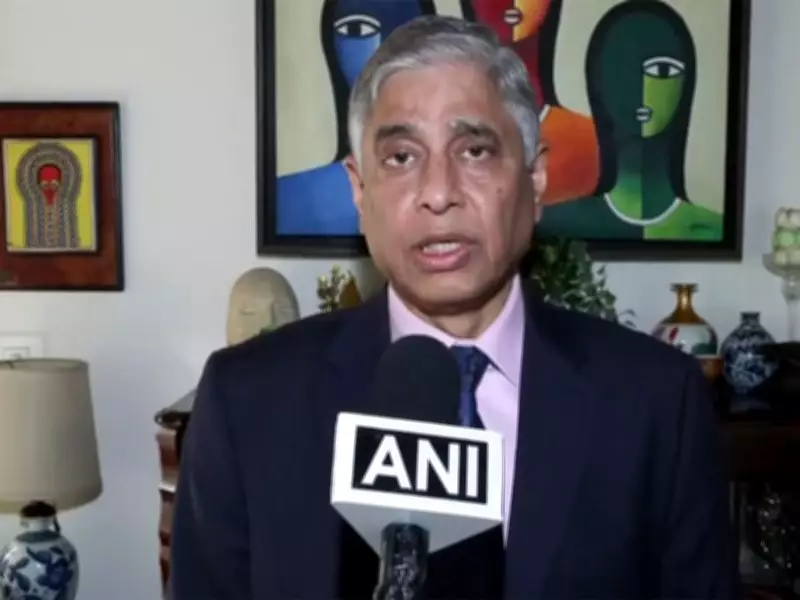
Former Indian Diplomat Vikas Swarup Raises Alarm Over Iran-Israel Conflict
In a significant statement, Vikas Swarup, the former Indian High Commissioner to Canada, has publicly voiced his apprehension regarding the ongoing conflict between Iran and Israel. Swarup, a seasoned diplomat with extensive experience in international affairs, described the situation as a "worrisome development" that could have far-reaching consequences for regional stability and global security.
Diplomatic Insights on Escalating Tensions
Swarup's comments come at a time when tensions in the Middle East have been intensifying, with recent incidents exacerbating the longstanding animosity between Iran and Israel. As a former envoy, his perspective carries weight, given India's strategic interests and diplomatic engagements in the region. He emphasized that the conflict is not merely a bilateral issue but one that threatens to spill over into broader geopolitical arenas, potentially affecting international trade, energy supplies, and security dynamics.
The former high commissioner highlighted several key concerns:

- The risk of escalation leading to a wider regional war.
- Implications for global oil markets and economic stability.
- Challenges for diplomatic efforts aimed at de-escalation.
- Potential impacts on India's foreign policy and bilateral relations.
India's Stance and Strategic Implications
India, which maintains diplomatic ties with both Iran and Israel, finds itself in a delicate position. Swarup noted that New Delhi has historically pursued a balanced approach, engaging with both nations on economic, defense, and energy fronts. However, the current conflict poses a test for India's foreign policy, requiring careful navigation to protect its interests while advocating for peace. He pointed out that any prolonged hostility could disrupt critical supply chains and affect India's energy security, given its reliance on oil imports from the region.
Furthermore, Swarup underscored the importance of international cooperation in addressing the crisis. He called for renewed diplomatic initiatives, possibly involving multilateral forums, to mediate and reduce tensions. His remarks reflect a broader concern among global leaders about the potential for the conflict to destabilize not just the Middle East but also impact global governance and security architectures.
Broader Global Context and Future Outlook
The Iran-Israel conflict is part of a complex web of regional rivalries and proxy wars that have persisted for decades. Swarup's warning aligns with analyses from other experts who fear that miscalculations or provocations could lead to a full-scale confrontation. He urged all parties to exercise restraint and prioritize dialogue over military action, emphasizing that peaceful resolution is essential for long-term stability.
In conclusion, Vikas Swarup's intervention serves as a timely reminder of the high stakes involved in the Iran-Israel standoff. As a former Indian diplomat, his insights shed light on the intricate balance required in international diplomacy and the urgent need for proactive measures to prevent further escalation. The global community, including India, must remain vigilant and engaged to mitigate the risks posed by this worrisome development.