An environmental group has raised a serious alarm over what it describes as the excessive and prolonged spraying of chemical defoamers in the Yamuna river, urging regulatory action against the Delhi Jal Board (DJB). The complaint, filed with the Delhi Pollution Control Committee (DPCC), alleges significant ecological risks due to the unregulated operation.
Complaint Details and Alleged Violations
In a formal complaint submitted earlier this week, the Delhi-based organization Earth Warrior has called for proceedings against the DJB. The group claims that from mid-October 2025, the water utility engaged in "prolonged, excessive and unregulated" spraying of silicone-based defoamers downstream of the Okhla Barrage for over two months.
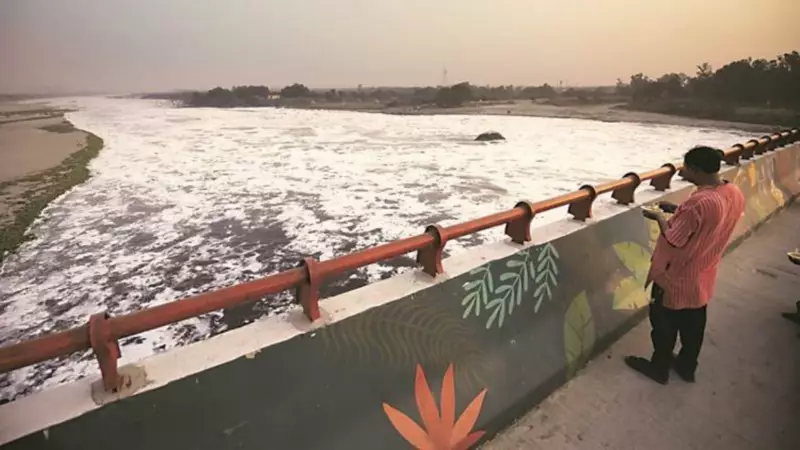
This extended period marks a stark departure from previous years. According to the activists, while defoamer use between 2022 and 2024 was limited to roughly 7-10 days around the Chhath Puja period, the 2025 operations started in the second week of October and continued well beyond November. Notably, spraying allegedly occurred even on days when little to no visible foam was present on the river's surface.

The core allegations in the complaint include:
- Spraying large quantities of defoamers without prior environmental clearance.
- Operating without a scientific risk assessment.
- Lack of publicly disclosed dosage protocols.
Potential Ecological Risks Highlighted
Earth Warrior's letter to authorities, which was also sent to Lieutenant Governor V K Saxena and Chief Minister Rekha Gupta, details several potential environmental hazards. The group cites international studies on polydimethylsiloxane (PDMS), a primary component in many silicone-based defoamers.
The alleged risks include:
The formation of hydrophobic surface films that can interfere with oxygen transfer, potentially causing hypoxia (dangerously low oxygen levels) in the water. This poses acute and chronic toxicity threats to fish, invertebrates, and benthic organisms living on the riverbed.
The complaint also warns of sediment contamination, bioaccumulation of chemicals in the food chain, and disruption of crucial microbial processes. These effects could compound the Yamuna's existing severe pollution burden.
Demands for Action and Remediation
Following its repeated representations, Earth Warrior states that the DJB has now ceased the defoaming operations. However, the group is pushing for accountability and restoration.
Their key demands to the DPCC are:
- Initiate legal proceedings against the Delhi Jal Board.
- Impose environmental compensation under the "polluter pays principle," with funds earmarked for Yamuna remediation and restoration.
- Conduct an independent assessment of ecological damage. This should encompass water-quality monitoring before and after spraying, sediment analysis, and evaluation of impacts on aquatic life.
When approached for comment, a senior DJB official stated that defoamer dosing is typically determined by factors like foam thickness and bubble size. The agency, however, did not provide an immediate response to the specific ecological risks flagged by the activists.
The situation underscores the ongoing challenges in managing the Yamuna's health, balancing immediate aesthetic concerns like frothing with long-term, scientifically-grounded ecological safety.