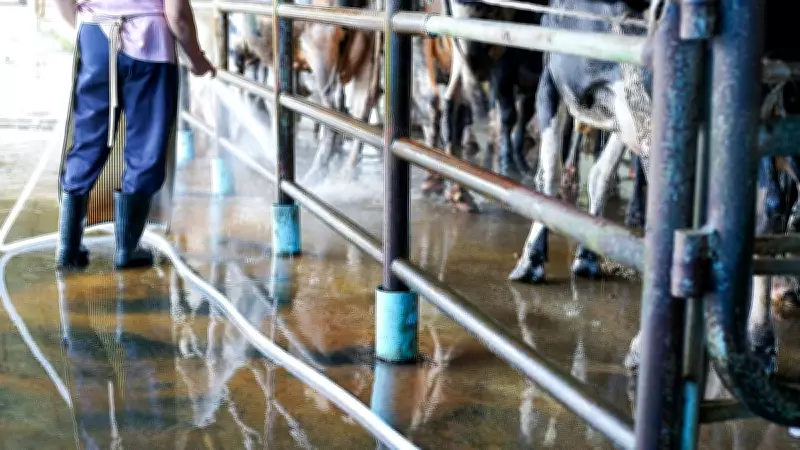
India's record milk production is under severe threat from extreme heatwaves sweeping across the country, raising concerns among dairy farmers and industry experts. The unprecedented temperatures are taking a toll on cattle health, leading to reduced milk yields and economic strain on the dairy sector.
Impact on Cattle and Milk Yield
High temperatures cause heat stress in cattle, reducing feed intake and milk production. Dairy cows are particularly vulnerable, with milk output dropping by 10-20% during heatwaves. Farmers report that cows are eating less, producing less milk, and facing higher mortality rates. The situation is exacerbated by water scarcity and inadequate cooling facilities in many regions.
Regional Variations
States like Uttar Pradesh, Punjab, and Gujarat, which are major milk producers, are experiencing severe heatwaves. In some areas, milk production has declined by up to 25%. The heat also affects the quality of milk, with higher somatic cell counts and reduced fat content.

Economic Consequences for Farmers
Small and marginal farmers are the hardest hit. With reduced milk output and increased costs for cooling and veterinary care, their incomes are shrinking. Many are forced to sell cattle or abandon dairy farming. The dairy industry, which contributes significantly to India's economy, faces potential losses running into billions of rupees.
Government and Industry Response
The government has initiated measures such as providing subsidies for cooling systems, distributing feed supplements, and offering veterinary services. Dairy cooperatives are also advising farmers on heat management practices, including shaded shelters, proper ventilation, and frequent watering. However, the scale of the challenge requires more comprehensive and sustained efforts.
Long-Term Implications
Climate change is expected to increase the frequency and intensity of heatwaves, posing a persistent threat to India's dairy sector. Adaptation strategies such as breeding heat-tolerant cattle, improving farm infrastructure, and promoting sustainable practices are critical. The current crisis underscores the vulnerability of agriculture to climate variability and the urgent need for resilience-building measures.
India's milk production, which reached a record 230 million tonnes in 2022-23, is now at risk. The dairy sector supports millions of livelihoods and is vital for food security. Without immediate and long-term interventions, the heatwaves could reverse the gains made in recent years.