

Rare Flying Squirrel Rescue in Tiger Reserve Highlights Broader Wildlife Protection Efforts
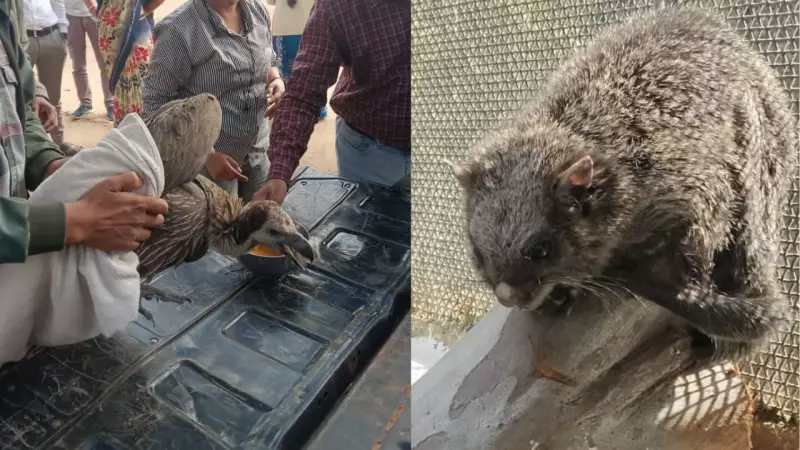
In a significant conservation operation, a rare flying squirrel was rescued after being found badly injured and entangled in barbed wire at a CRPF camp within the buffer zone of the Udanti–Sitanadi Tiger Reserve (USTR) in Chhattisgarh. This incident has brought to light the critical importance of wildlife protection that extends beyond flagship species like tigers and elephants, according to senior forest officials.
Rescue and Rehabilitation of the Nocturnal Mammal
Satovisha Samajdar, Chief Conservator of Forests (CCF) in Raipur, reported that the nocturnal mammal was discovered trapped in barbed wire fencing at the CRPF camp located in the Indagaon buffer range. The squirrel had sustained multiple injuries and was at high risk of developing severe infections.
A dedicated rescue team from USTR promptly intervened, carefully extracting the animal from the hazardous situation. The squirrel was then transported to the specialized rescue and rehabilitation centre at the Jungle Safari Zoological Park in Naya Raipur for immediate medical attention.

Successful Treatment and Recovery Process
Veterinarian Dr. Jadiya confirmed that the flying squirrel responded positively to the treatment administered. The animal is now active and showing steady signs of recovery. A decision regarding its eventual release back into a suitable forest habitat will be made following a comprehensive fitness assessment to ensure its full rehabilitation.
This rescue operation, conducted around Republic Day, is being showcased by the state forest department as a prime example of conservation efforts that encompass all wildlife, not just the more prominent species. CCF Samajdar emphasized that such small mammals often remain unnoticed and untreated, despite playing a vital role in maintaining forest ecosystems.
Concurrent Vulture Rescue Operation
Following the flying squirrel rescue, forest officials undertook another critical intervention involving a vulture found exhausted and severely dehydrated within the Udanti–Sitanadi landscape. USTR forest staff initially secured the bird before transferring it to Jungle Safari for intensive care.
At the facility, veterinary teams provided essential hydration, feeding, and medical support. Officials believe the vulture may have originated from the Tadoba–Andhari region of Maharashtra. The bird has since regained strength, resumed normal feeding patterns, and is gradually gaining weight.
CCF Samajdar highlighted the ecological significance of vultures, noting that they are among India's most threatened bird species. These natural scavengers play a crucial role in ecological balance by disposing of carcasses, thereby preventing the spread of diseases.
Collaborative Conservation Approach
Forest officials described both rescues as exemplary joint efforts that combine in-situ conservation within protected forests with ex-situ clinical care at Jungle Safari. The operations were coordinated on the ground by USTR Deputy Director Varun Jain, with institutional support from Jungle Safari Director Tejas Sekhar.
This integrated approach demonstrates how effective wildlife protection requires collaboration between field conservationists and rehabilitation experts, ensuring comprehensive care for diverse species across the ecological spectrum.






