

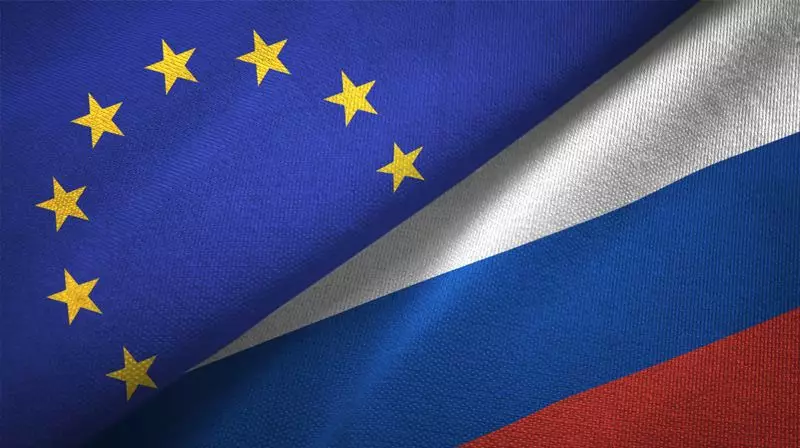
Kremlin Accuses Europe of Trading Russian Ties for US Dependence
In a recent statement, the Kremlin has made a striking claim regarding Europe's geopolitical realignment. According to Russian officials, European countries have effectively abandoned their previous state of mutual dependence with Russia, opting instead for a new reliance on the United States. This shift, as described by the Kremlin, marks a significant transformation in international relations, with far-reaching implications for global stability and energy dynamics.
Background of the Statement
The Kremlin's remarks come against a backdrop of heightened tensions between Russia and Western nations, particularly following Russia's military actions in Ukraine. Over the past few years, Europe has been actively reducing its energy imports from Russia, which historically accounted for a substantial portion of its natural gas and oil supplies. This decoupling effort has been accelerated by sanctions and diplomatic pressures, leading to a search for alternative sources.
Russian officials argue that this move has not made Europe more independent but has merely transferred its dependence from Russia to the United States. They point to increased imports of American liquefied natural gas (LNG) and closer military and political cooperation between European nations and the US as evidence of this shift. The Kremlin views this as a strategic maneuver by the US to strengthen its influence in Europe, potentially at the expense of European sovereignty.

Implications for Global Relations
This development raises critical questions about the future of European autonomy and the balance of power on the global stage. By relying more heavily on the United States, Europe may find itself entangled in US foreign policy objectives, which could complicate its relations with other regions, including Asia and the Middle East. Moreover, the economic costs of this transition are significant, with European consumers and industries facing higher energy prices and supply chain disruptions.
From a Russian perspective, the loss of European markets represents a major economic blow, forcing Russia to pivot towards other partners, such as China and India. However, the Kremlin's statement also serves as a warning, suggesting that Europe's new dependence on the US could lead to vulnerabilities, especially in times of crisis or conflict. The mutual dependence with Russia, they claim, offered a degree of stability and predictability that is now being replaced by a more volatile relationship with a distant superpower.
European Responses and Future Outlook
European leaders have largely dismissed the Kremlin's claims, emphasizing their commitment to energy diversification and strategic autonomy. Initiatives like the European Green Deal and investments in renewable energy sources are seen as steps toward reducing external dependencies altogether. Nonetheless, the transition away from Russian energy has been challenging, highlighting the complexities of decoupling from a long-standing supplier.
Looking ahead, the geopolitical landscape in Europe is likely to remain fluid. As tensions persist, the debate over dependence and independence will continue to shape policy decisions. The Kremlin's statement underscores the ongoing struggle for influence in the region, with both Russia and the US vying for strategic advantages. For now, Europe finds itself at a crossroads, balancing its historical ties with emerging alliances in a rapidly changing world.

