France Advances Groundbreaking Social Media Ban for Minors
France has taken a decisive step toward becoming the second nation globally to implement a comprehensive ban on social media access for children under 15. This landmark move follows Australia's pioneering nationwide restrictions, which prohibit minors under 16 from using major platforms to mitigate online harms and safeguard adolescent mental health.
Parliamentary Approval and Legislative Process
In a significant overnight session, the French National Assembly voted overwhelmingly to approve the sweeping legislation. The bill now proceeds to the Senate, France's upper parliamentary chamber, for further deliberation before returning to the National Assembly for a final vote. If enacted, this would position France as only the second country after Australia to impose such nationwide restrictions on social media usage by minors.
The proposed law specifically targets children under 15, barring them from accessing social media platforms and restricting social networking functionalities embedded within broader digital services. This legislative action represents a major escalation in the French government's campaign to regulate the digital lives of young people, addressing growing concerns about excessive screen time and its psychological impacts.

Presidential Endorsement and National Priorities
President Emmanuel Macron has strongly endorsed the legislation, framing it as a matter of national wellbeing and digital sovereignty. Following the parliamentary vote, Macron celebrated the decision as a major step toward protecting children and teenagers from the risks associated with prolonged online exposure.
In a powerful statement, Macron emphasized: The emotions of our children and teenagers are not for sale or to be manipulated, either by American platforms or Chinese algorithms. This rhetoric underscores the government's broader concerns about foreign technological influence and the need for greater digital autonomy.
Implementation Timeline and Enforcement Mechanisms
French authorities have outlined a phased implementation plan, with the measures scheduled to take effect from the start of the 2026 school year for new accounts. Existing accounts held by children under 15 would be gradually phased out over several months to ensure a smooth transition.
Gabriel Attal, former prime minister and current leader of Macron's Renaissance party in the National Assembly, expressed optimism about the legislative timeline. He indicated that the Senate could approve the bill by mid-February, after which social media platforms would have until December 31 to deactivate non-compliant accounts. This would allow the ban to be fully operational by September 1 of the target year.
Expanding Educational Restrictions
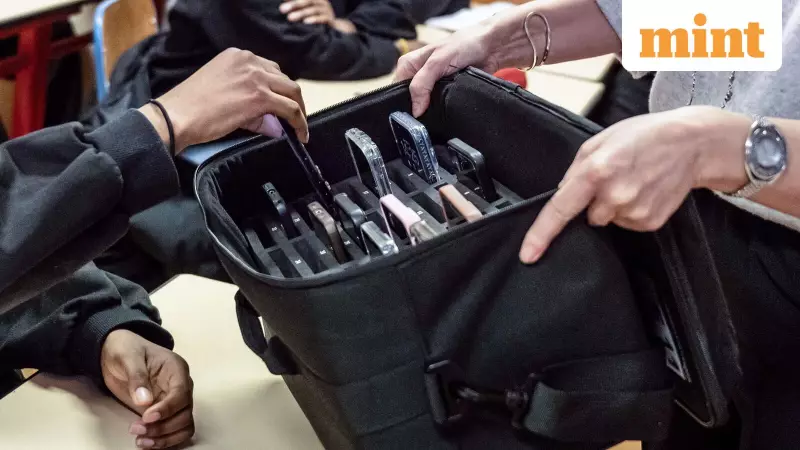
Beyond social media limitations, the legislation also includes provisions to ban mobile phones in high schools. This expansion builds upon France's existing restrictions on device usage in educational settings, reflecting a comprehensive approach to reducing digital distractions and promoting focused learning environments.
Mental Health Rationale and Public Health Concerns
Proponents of the ban argue that the rapid proliferation of social media has coincided with deteriorating mental health outcomes among adolescents. France's public health watchdog, ANSES, recently highlighted several detrimental effects associated with platforms like TikTok, Snapchat, and Instagram, particularly affecting young female users.
The identified risks include:
- Increased vulnerability to cyberbullying
- Exposure to violent or inappropriate content
- Pressures related to body image and online validation
While ANSES acknowledged that social media is not the sole contributor to declining adolescent mental health, the agency's findings have bolstered arguments for preventive measures.
Political Debate and Critical Perspectives
Despite government framing of the ban as a necessary public health intervention, the proposal has faced criticism from various quarters. Lawmakers from the hard-left France Unbowed party have characterized the approach as a form of digital paternalism that fails to address deeper structural issues within the technology sector.

Nine child protection associations have urged legislators to focus instead on regulating platforms more effectively rather than excluding children entirely. Former prime minister Elisabeth Borne expressed reservations, noting on France 2 television: It's more complicated than that. We first need to make sure that the ban is properly enforced in middle schools.
The Age Verification Challenge
A crucial implementation hurdle involves developing robust age-verification systems capable of preventing under-15s from creating accounts. France is collaborating on such mechanisms at the European level, reflecting broader European Union efforts to regulate digital platforms and protect young users across member states.
This technological challenge represents a critical component of the ban's potential effectiveness, as without reliable age verification, restrictions could be easily circumvented by determined young users.