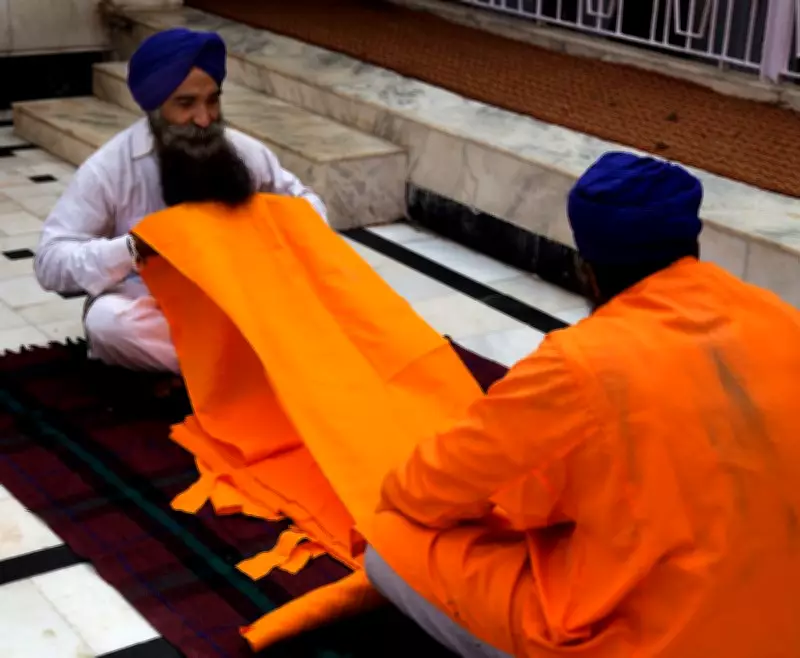
Golden Temple Siropa Tradition Disrupted by Middle East Conflict Supply Chain Issues
The revered Sikh tradition of presenting siropas, or ceremonial robes of honor, at the Golden Temple in Amritsar is experiencing significant disruption due to supply chain issues stemming from the ongoing conflict in the Middle East. This sacred practice, integral to Sikh religious ceremonies and pilgrimages, has been impacted by shortages in the availability of these symbolic garments, causing concern among devotees and temple authorities.
Supply Chain Breakdown Affects Sacred Ceremonial Robes
The conflict in the Middle East has led to severe disruptions in global trade routes and logistics networks, directly affecting the supply of materials used to manufacture siropas. These ceremonial robes, traditionally made from high-quality fabrics often sourced through international markets, are now in short supply as transportation delays and increased costs hinder imports. The Golden Temple, which distributes thousands of siropas annually to honor devotees, religious leaders, and visitors, is facing challenges in maintaining its customary stock levels.
Local artisans and suppliers in Amritsar, who rely on imported raw materials such as specific silks and decorative elements, report difficulties in procuring these items. The conflict has exacerbated existing supply chain vulnerabilities, leading to production slowdowns and higher prices for the remaining available materials. This situation threatens to delay or reduce the frequency of siropa presentations, which are a cornerstone of Sikh hospitality and spiritual recognition at the temple.

Impact on Sikh Religious Practices and Pilgrimage Experience
The shortage of siropas is not merely a logistical issue but has profound implications for Sikh religious practices. Siropas are bestowed during special occasions, religious ceremonies, and as marks of respect to individuals who have made significant contributions to the community or faith. Their unavailability could affect the sanctity and completeness of these rituals, potentially altering the pilgrimage experience for visitors to the Golden Temple.
Devotees from around the world travel to Amritsar to participate in these traditions, and the disruption may lead to disappointment or a sense of incompleteness in their spiritual journeys. Temple authorities are actively seeking alternative solutions, such as exploring local sourcing options or adjusting presentation protocols, but these measures may not fully replicate the traditional significance and quality associated with the siropas.
Broader Implications for Cultural and Economic Ties
This supply chain issue highlights the interconnectedness of global conflicts with local cultural and religious practices. The Middle East conflict, often viewed through geopolitical lenses, is now directly impacting a centuries-old tradition in Punjab, underscoring how international tensions can ripple into diverse aspects of daily life and spirituality. Economically, the shortage affects local businesses involved in the siropa trade, from fabric merchants to tailors, potentially leading to job losses or reduced incomes in the region.
Efforts are underway to mitigate the impact, including discussions with suppliers in other regions and appeals for community support to preserve the tradition. However, the resolution largely depends on the stabilization of the Middle East situation and the restoration of normal trade flows. In the meantime, the Golden Temple continues to uphold its other religious duties, but the siropa shortage serves as a poignant reminder of the fragility of cultural traditions in a globally linked world.