

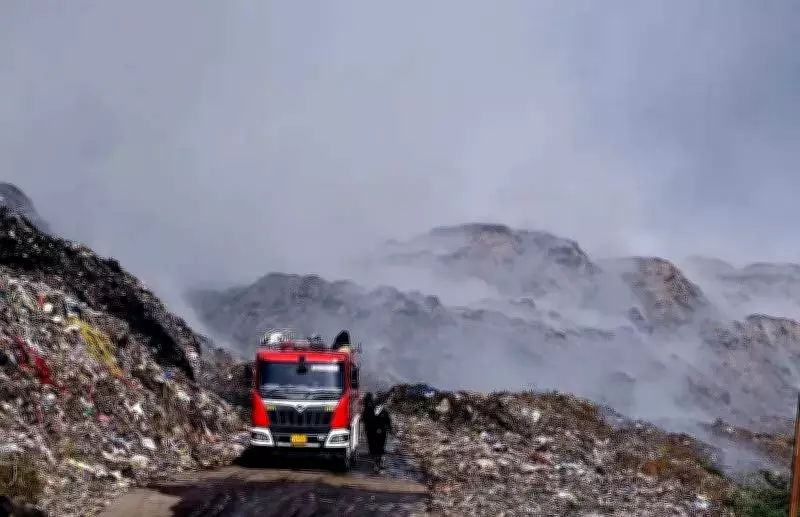
GPCB Takes Action Against Surat Municipal Corporation for Waste Management Failures
The Gujarat Pollution Control Board (GPCB) has escalated its regulatory oversight by issuing a formal show-cause notice to the Surat Municipal Corporation (SMC). This action targets persistent non-compliance with the Solid Waste Management Rules at the Khajod waste disposal and recovery facility located near Surat. The notice follows a string of recent fire incidents that have exacerbated environmental concerns in the region.
Repeated Violations and Failed Compliance
In the notice, the GPCB highlighted that the civic body has consistently failed to adhere to earlier directives, remaining in violation despite multiple warnings. This regulatory move was prompted by comprehensive inspections conducted on March 24, 27, and 28, 2026. These inspections were initiated in response to numerous complaints from nearby areas regarding severe air pollution and persistent foul odours emanating from the facility.
Detailed Inspection Findings and Environmental Impact
During the initial visit on March 24, officials discovered a major fire raging across approximately 10,000 square meters at the front of the site. Thick smoke was observed drifting in a southern downwind direction, contributing to significant environmental degradation. The burning waste, which included plastic and mixed municipal solid waste, was identified as a primary source of severe pollution. At the time, nine fire tenders were actively deployed to combat the blaze.

Inspectors also documented unscientific dumping practices near the processing area, with waste heaps reaching heights of 2 to 5 meters. Critical deficiencies were noted, including the absence of daily soil cover and a lack of a functional leachate collection system, further compounding environmental risks.
Escalation of Fire Incidents and Spread of Damage
A follow-up inspection on March 27 revealed that the fire had not been contained and had instead spread extensively. The blaze affected both sides of the processing area and the rear section of the active landfill, covering an estimated 20,000 square meters. The GPCB reported that between March 24 and 27, a total of 20 fire tenders were utilized in efforts to control the situation. Additionally, the Board flagged the absence of proper records detailing the waste received and processed at the facility, indicating systemic management failures.
Impact on Nearby Communities and Air Quality Deterioration
On March 28, officials extended their inspection to Dipli village, situated approximately 1.5 kilometers from the waste site. Residents in this area were found to be exposed to whitish smoke and intense foul odours drifting into residential zones. Air quality measurements recorded alarming levels, with PM2.5 at 175 µg/m³ and PM10 at 203 µg/m³, signaling a severe deterioration in air quality that poses health risks to the local population.
GPCB Directives and Compliance Requirements
The Board has demanded that the SMC provide a detailed explanation regarding why environmental damage compensation should not be imposed and why the corporation should not be required to establish a ring-fenced account dedicated to legacy waste management. Furthermore, the GPCB has issued immediate directives, including:
- Taking prompt steps to halt all waste burning activities.
- Implementing measures to prevent leachate runoff and remove contaminated wastewater.
- Processing all legacy waste present at the site by October 2026.
- Submitting a comprehensive, time-bound compliance plan within 15 days.
These actions underscore the GPCB's commitment to enforcing environmental regulations and safeguarding public health in the face of ongoing violations at the Khajod facility.






